
KINGSTON, R.I. – June 11, 2020 – With the country at a critical moment amid pandemic and protests, the constitutional rights of freedom of speech, press and assembly may never be more important. The access to accurate, critical information on the COVID-19 crisis is crucial, as are the rights of protesters to peacefully assemble and be heard and the need for journalists to be able to safely report.
The University of Rhode Island’s Harrington School of Communication and Media sheds light on these issues while honoring a courageous journalist with this summer’s Taricani Lecture Series on First Amendment Rights. The series, which will be streamed live, opens Tuesday, June 16, with award-winning journalists and authors Nicholas Kristof and Sheryl WuDunn.
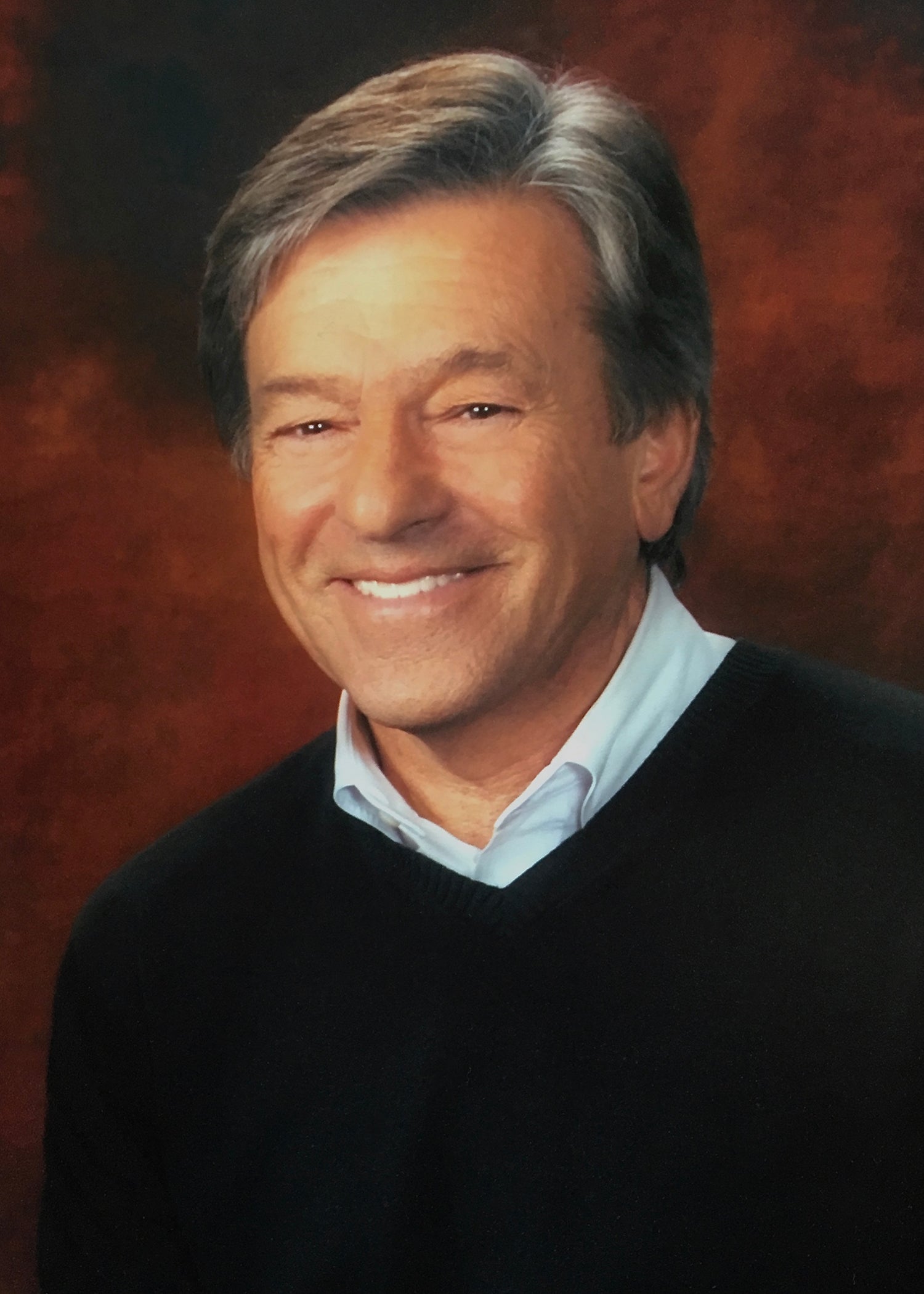
The three-part, virtual lecture series honors the memory of veteran Rhode Island newsman Jim Taricani, who died June 21, 2019, at the age of 69. Endowed by his family shortly after his death, the Taricani Lecture Series will hold its inaugural in-person lecture in spring 2021.
“Jim was guided strongly by the First Amendment in his journalism,” said Laurie White-Tarciani ’81, Taricani’s wife and a long-time supporter and advocate for URI. “He knew that protecting those rights is critically important not only for a journalist, but also for all of us. I am heartened that his legacy continues at the University of Rhode Island, which, under President David M. Dooley, is reinforcing its time-tested role as a place where the freedoms of expression protected by the First Amendment – religion, speech, press and peaceful assembly – are honored and advanced.”
Taricani H’18 was a nationally respected investigative reporter for nearly four decades at WJAR-TV, building a reputation for taking on organized crime and public corruption that was a hallmark of journalism in Rhode Island. In 2004, Taricani declined to disclose a confidential informant who provided him with evidence of a Providence official accepting a bribe. When he continued to protect his source after being fined by a federal judge, Taricani was ordered to home confinement. Taricani went on to become a national advocate for a federal shield law to protect journalists.
“Journalism has been the subject of so much debate over the past few years,” says Justin Wyatt, associate director of the Harrington School. “This dialogue has intensified with issues relating to freedom of speech in our current environment. Through the Taricani Lecture Series and the efforts of the Journalism Department, the University is poised to foster steadfast values, ethics and sense of purpose for the next generation of journalists.”
The virtual summer series will take a comprehensive look at the First Amendment in action. The opening lecture features husband and wife Kristof and DuWunn, and promises a lively and informative discussion. The June 16 lecture starts at 5 p.m. and will be live-streamed. To register and receive a weblink to take part in the lecture, click here.
Kristof, a two-time Pulitzer Prize-winning columnist for The New York Times, is known for his activism and was the subject of the 2009 Sundance Film Festival documentary “Reporter.” He has traveled and reported widely – living on four continents and reporting on six, and traveling to more than 150 countries, all 50 states, and every Chinese province and main Japanese island – to tell compassionate stories on global health, poverty and gender in the developing world. A CNN contributor and columnist at The Times since 2001, he has targeted social injustices and human rights abuses. He and WuDunn have co-authored numerous best-sellers, including their latest, “Tightrope: Americans Reaching for Hope.”
The first Asian American to win a Pulitzer Prize, WuDunn is a business executive, entrepreneur, and best-selling author. She has special expertise in China, entrepreneurship, and impact investing. As an investment banker, she currently helps growth companies, including those operating in the fields of technology, health care, entertainment and media. She was instrumental in the launch and development of multimedia efforts for the PBS documentary series “Half the Sky,” based on the couple’s 2009 No. 1 best-seller.
Sree Sreenivasan, a journalist and formerly a long-time professor at the Columbia School of Journalism, will moderate the program.
Virtual lectures in the summer series will continue in July and August. Dates and speakers for those lectures will be announced at a later date.
Gifts to the Taricani Lecture Series position the University of Rhode Island as a destination for robust discussion regarding journalism and the First Amendment by providing the resources needed to bring distinguished local, national and international journalists to lend their expertise and perspective to this critically important topic.
Support the Taricani Lecture Series here.