CMD 272 Auditory and Speech Mechanisms (3)
Structure and function of the organs of hearing and speech as they relate to normal and pathological communication; theories of cortical involvements, central and peripheral nervous systems relevant to rehabilitation procedures. (Lecture 3) Prerequisite: junior standing.
CMD 273 Phonetics (3)
International Phonetic Alphabet; analysis of phonetic and phonemic elements in major American English dialects; practice in transcription of standard and defective speech. (Lecture 3) Prerequisite: junior standing.
CMD 274 Communication Processes (3)
Psychological and cognitive processes basic to language and communication; models of language processing; explorations into biological and social bases. (Lecture 3) Prerequisite: junior standing.
CMD 276 Speech Science (3)
Physical properties of the speech signal, analysis of the physical basis of speech
production, instrumentation used to assess speech output, theories of speech
perception.
(Lecture 3) Prerequisite: sophomore standing.
CMD 278 Introduction to Hearing Science (3)
Overview of the measurement of sound, acoustic properties of the sound wave, and
perception of sound by human beings. Anatomy and physiology of the normal
hearing mechanism.
(Lecture 3) Prerequisite: sophomore standing.
CMD 375 Language Development (3)
Development phenomena in speech and language; causal factors of delayed speech and language; survey of evaluative and habilitative programs for children with deviant language development. (Lecture 3) Prerequisite: junior standing.
CMD 377 Functional Neuroanatomy (3)
Examination of the brain and spinal cord, emphasizing connection and functions of the neural system. This course is designed for communicative disorders majors. (Lecture 3) Prerequisite: 372 and junior standing.
CMD 465 Clinical Methods in Communicative Disorders (4)
Observation of diagnosis and treatment of communicative disorders; developing interviewing, report writing, and counseling techniques; introduction to diagnostic procedures; establishing therapeutic goals, treatment, and remediation of various disorders. (Lecture 3, Lab 2) Senior or graduate standing only. Prerequisite: 260, 261, and three of the following--372, 373, 374, 375, 376. Not for graduate credit in communicative disorders.
***Note that the American Speech-Language-Hearing Association (ASHA) also requires that graduate students applying for ASHA certification have completed one biological science course, one physical science course, one social science course and one statistics course. Most students do so as part of their undergraduate degrees but if you have not, you are responsible for completing them prior to your graduation.Be sure to consult your department adviser about this requirement.
Congratulations to our May 2013 B.S. and M.S. graduates! Your hard work has paid off!
NSSLHA NEWS:
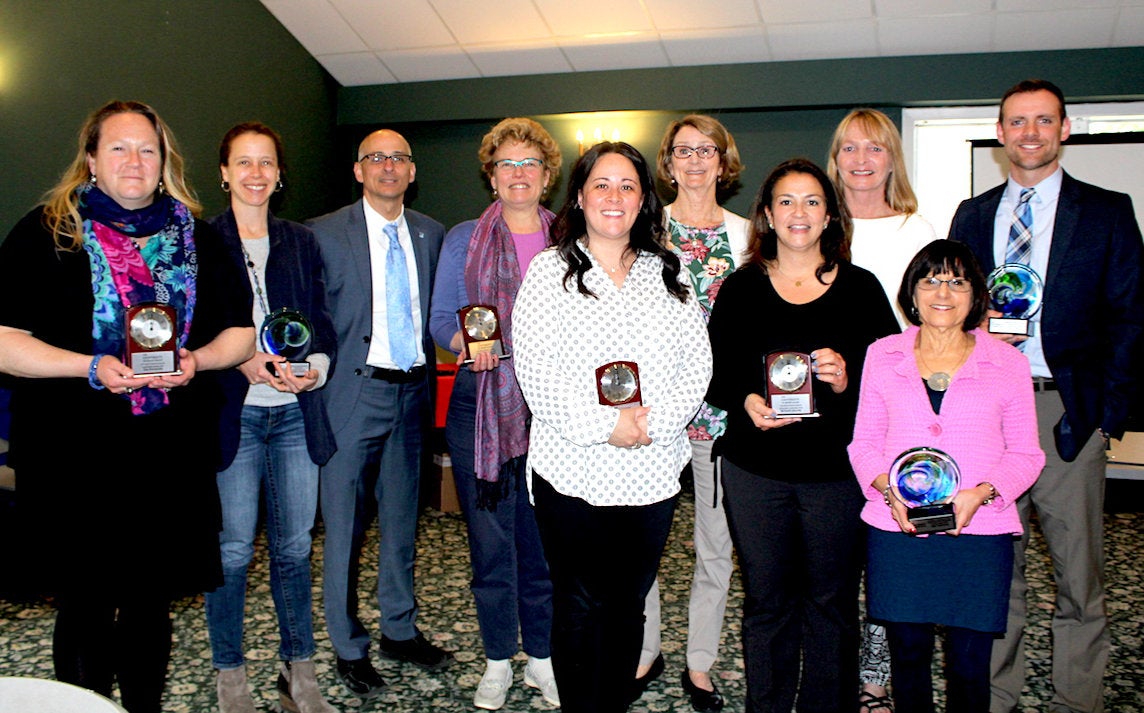
Here are our URISSLHA officers (Left to Right below): Mary Loveley, secretary; Kristen Troy, historian; Jaclyn Schiemer, president; Lexi Caruso, treasurer; and Kristy Wallace, vice-president. We thank our outgoing board members: Shannon Witter, Meredith Fitzgibbon, Heidee Pottker and Jess Lally for all of their hard work. Shannon and Meredith are graduating in May, Heidee will be a second-year graduate student, and Jess is heading off to graduate school! Look for information about our first fall 2014 meeting here on the CMD web site.
Message from URISSLHA President
***SCHOLARSHIPS AVAILABLE THROUGH THE ASHA FOUNDATION***
See the following web site for information: www.ashfoundation.org/grants/GraduateScholarships/
Check out our updated table of graduate student student outcomes: PRAXIS examination, graduation, and employment rates by linking to:
Why CMD at URI? - Communicative Disorders - University of Rhode Island
PROGRAM HIGHLIGHTS