
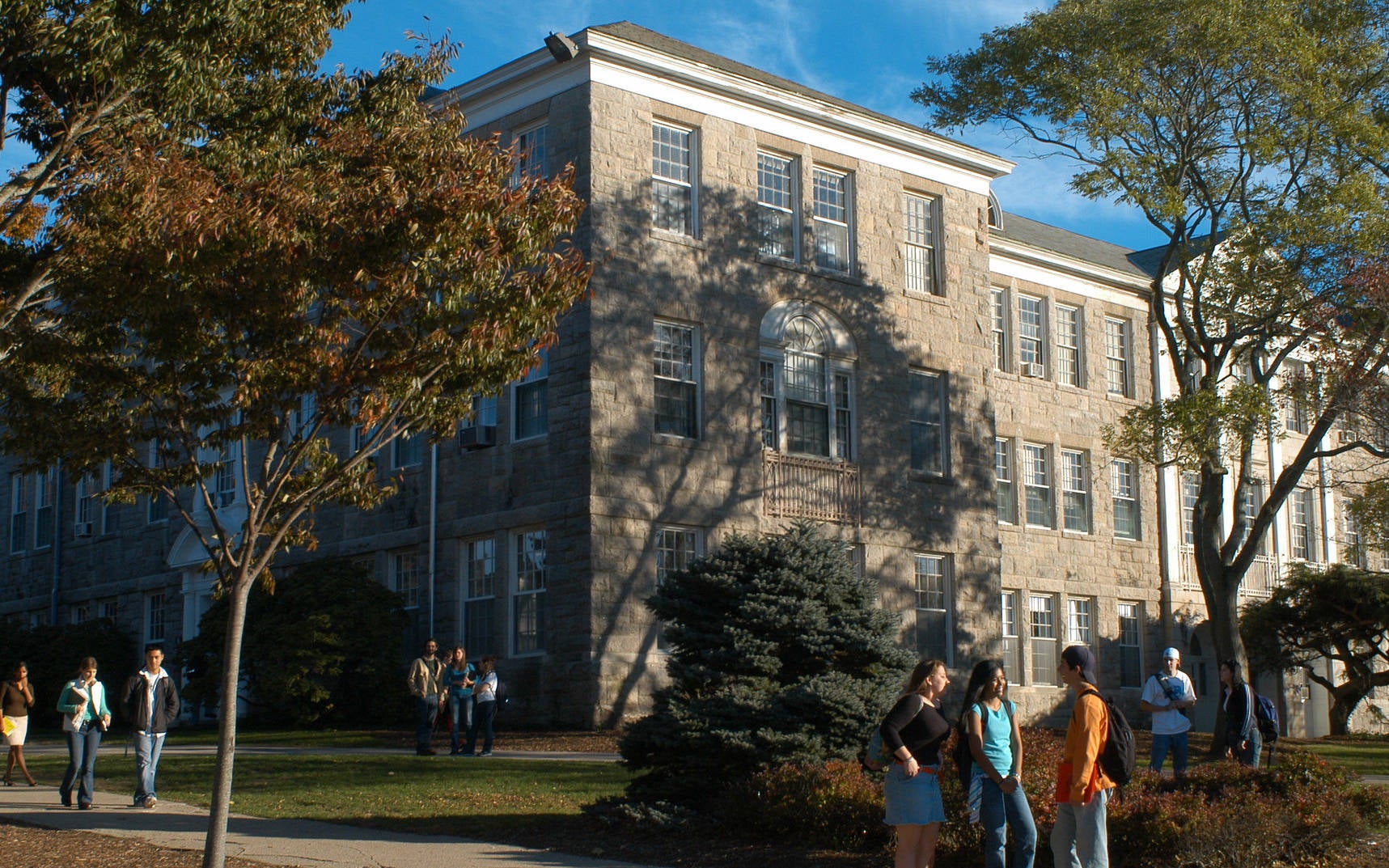
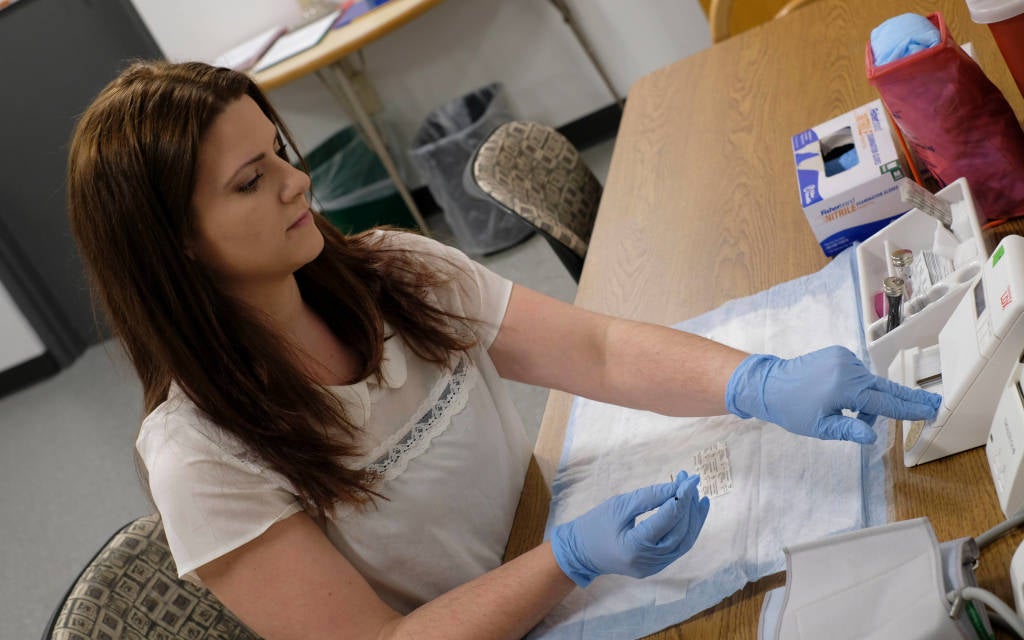
Careers in health and wellness are among the fastest growing occupations worldwide, so the need for well-prepared, broadly skilled professionals has never been greater. URI’s College of Health Sciences was formed to meet this need, bringing together majors and programs connected by a common theme—to make a positive and lasting impact on the health and well-being of people of all ages, adding years to their lives and life to their years.

Upcoming Events
In the News
 URI Ph.D. candidate researches effects of cannabis and alcohol co-use, wins prestigious NIH F31 Award - University of Rhode Island psychology Ph.D. candidate Sabrina Todaro will measure the degree to which adults 18 to 25 are using “protective behavioral strategies” when engaging in both alcohol and cannabis in a study funded by an F31 grant from the National Institutes of Health. She aims to assess the use of protective behavioral strategies […]