
If you’ve been considering transferring, completing your degree, returning to college after a break, or are just looking to take one class, our Finish What You Started program is the right place to jump in and begin. You will not have to go through this process alone. Our staff will work with you every step of the way.
Which best describes you?
I’m new to URI
If you are interested in performance-based admission, transferring earned college credits to finish your degree at URI, or if you are a military service member (or a veteran, or a dependent) please see the resources below.*
I’m a former URI student
If you have been enrolled at URI before (as a matriculated college student), please see the resources below.
- Complete an Undergraduate Application for Readmission
- Reactivate your e-Campus account by resetting your password for access to University information
- If you have outstanding debt from your prior URI enrollment, financial assistance may be available through a new grant for returning students. To learn more, contact your Degree Completion Coordinator.
* URI cannot guarantee that credits which are eight years or older are acceptable for transfer. Academic deans and department chairs will make decisions on an individual basis regarding the admissibility of credits.
Finish What You Started students can attend our Kingston campus or take classes online. We offer many courses online and in the evening for busy working professionals. You can also take advantage of our two summer sessions and our winter J-term (January) mini-semester to fast track your education.
You may qualify for Performance-Based Admission
- Have you been out of traditional learning environments for 3 years or more and have no (or limited) college experience?
- Were you not successful the first time you enrolled in college courses, but have a unique background or experience that you would like to share with our Performance- Based Admission Specialist?
Performance-Based Admission (PBA) is available to applicants with no (or limited) prior college attendance whose last formal, full-time educational experience occurred at least three years ago, and who have graduated from high school or earned a general equivalency diploma (GED).
How PBA works
Through PBA, students may take 15 credits as “conditionally accepted” students. They are admitted to URI’s University College for Academic Success, and after they have completed 15 credits, passed UCS/SPC 305*, and earned a 2.0 overall GPA or higher, PBA students will be fully matriculated at URI.For students who have hit some bumps in the road academically, the PBA program offers an opportunity to demonstrate college readiness.
PBA Quick Facts (pdf)
*UCS/SPC 305 : Learning and Career Principles for Adult Students.
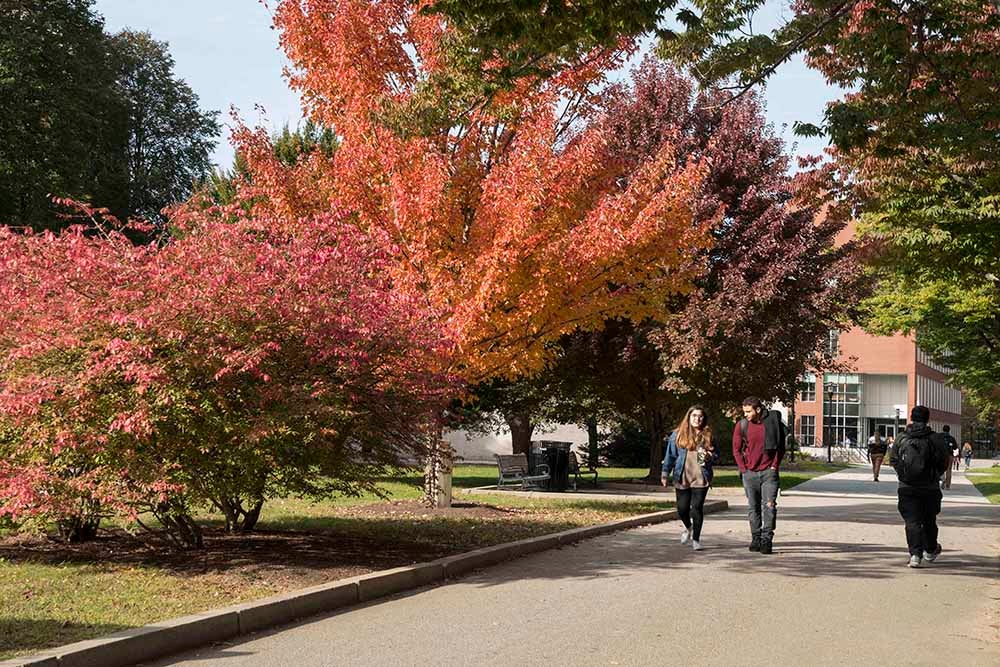
Sometimes life is complicated
Not sure where you fit in? Work one-on-one with an Admission Specialist dedicated to helping adult learners navigate the application process.
Success Stories
We are so proud of our our dedicated Finish What You Started students. We hope these success stories will inspire you to follow your dreams and think big at URI.



Frequently Asked Questions
Now that you have decided to return to college and finish your degree, you probably have many questions about the process. Here are some of the most frequently asked questions and their answers.
Am I too old?
No! The college landscape has changed, and the majority of students are no longer ‘traditional’ 18-year-olds who just graduated from high school. Our oldest student to date is 83, and the average age of our adult students is 37. Our support systems and array of classes make it possible for anyone to earn their degree. Since the program’s inception in 2012, we’ve proudly graduated more than 575 students.
What if I’m applying for the first time?
If you are a first-time college student who has graduated from high school and never enrolled in college courses after high school, apply to the University of Rhode Island by completing The Common Application. If you are looking to transfer to URI, please apply using our Transfer Application. If you have further questions, please contact your Degree Completion Coordinator.
How do I apply for readmission?
If you have previously attended URI, you need to submit an application for readmission to your degree granting college, along with a personal statement and official transcripts from any college at which you have completed coursework since leaving URI.
Who are Finish What You Started students?
Most of our students are commuters from within the state and surrounding areas. Many also work full-time, raise families, are student veterans, and support elderly family members while pursuing a degree. You will be in good company.
My previous college grades do not reflect who I am today. What should I do?
Eligible adult learners can be considered for admission under Performance-Based Admission (PBA). PBA is available to applicants with little or no college experience whose last formal, full-time educational experience occurred at least three years ago, and who have graduated from high school or earned a general equivalency diploma (GED). PBA applicants must complete a mandatory interview prior to being offered admission. Interviews are offered virtually or in-person.
Why URI?
We understand that you are busy. We understand that you need help getting re-started. We know that you want to earn that college degree. Our goal is to recruit, retrain, support, and graduate adults who did not finish college. To help you get your degree, we offer:
- Flexible schedules
- Classes at the Kingston campus and online
- Financial Aid
- Grants and scholarships for qualified students
- Supportive faculty and staff
- College Level Examination Program (CLEP)
- Academic Enhancement Center (AEC)
- Disability, Access, and Inclusion (formerly Disability Services for Students)
- Writing Center
Can I get financial aid?
Many of our students qualify for financial aid, even after a long break in their higher education. When you complete the Free Application for Federal Student Aid (FAFSA), we’ll consider you for grants, loans, and scholarships. We also offer a $500 Finish What You Started scholarship for qualified students.
Can I just take a course to try it out?
If you would like to give URI a try, you can complete a Non-Degree Application and register as a non-matriculated student. Your Finish What You Started coordinator will help you with the process.
Can I take courses online?
Yes! URI offers more than one-hundred online courses, with new courses added every semester. After meeting with an advisor and determining what you need to complete your degree, you will be able to see which courses you can complete online, and which courses you will need to take on campus, in Kingston.
How will I know which courses I need to earn my degree?
After speaking with a coordinator, you will be partnered with an academic advisor or department chair to complete a degree audit. This will give you a good indication of which courses you will need to complete your degree.
What if I have an outstanding URI bill?
If you have outstanding debt from your prior URI enrollment, financial assistance may be available to you through a new grant available to returning students. To learn more, contact your Degree Completion Coordinator.
What is e-Campus?
The Student Information System at URI is known as “e-Campus.” You can access e-Campus with a User ID and Password registration that you set up. For assistance, call our HELP DESK at 401.874.HELP(4357).
My credits are more than 8 years old. Are they transferrable?
Due to accreditation issues, certain programs cannot guarantee that all credits eight years or older are still transferrable. Academic Deans and Department Chairs will make decisions on an individual basis regarding the admissibility of credits.
Contact Finish What You Started
Reach out to our office directly with any questions. We look forward to connecting with you.
University of Rhode Island
Finish What You Started
Office of Admission
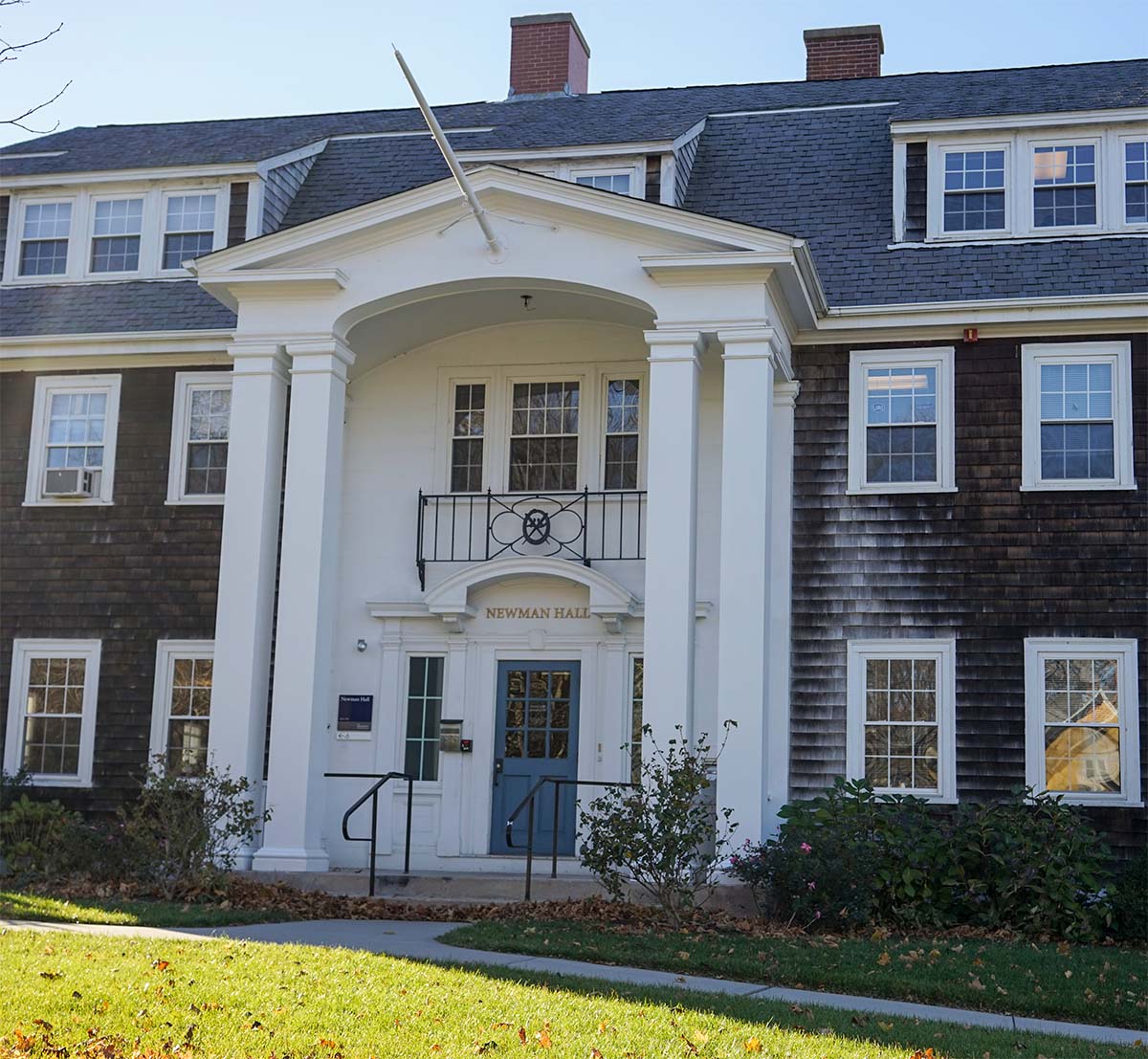
Newman Hall
14 Upper College Road
Kingston, RI 02881
401.874.2413
fwys@uri.edu