

Registration Open | Zoom | PharmD
Did you know that many of our College of Pharmacy faculty also practice as clinical pharmacists? Are you curious about the pharmacist’s role in hospitals, ambulatory care clinics and nursing homes? Tune in on Tuesday, March 22nd at 5pm via Zoom to hear a panel of professionals discuss their day-to-day responsibilities, what they love about their jobs, recent research that excites them, and what they wish they knew on their first day of work. Current and prospective PharmD students are encouraged to attend and take advantage of this opportunity to learn about the unique value pharmacists bring to health-systems…questions are welcome!.
This panel is student-led and has been organized by the URI chapter of the Student Society of Health-System Pharmacists (SSHP).
Registration
Register NowPanelists
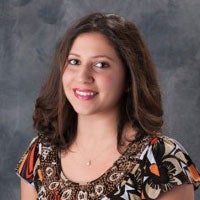
Clinical Associate Professor
Nicole Asal, PharmD, BCPS from Providence Veterans Affairs Medical Center where she specializes in anticoagulation and hypertension ambulatory care.
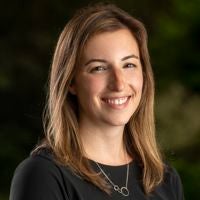
Clinical Assistant Professor
Britney Brown, PharmD, BCOP of Women & Infants Hospital, where she provides clinical pharmacy services for gynecologic oncology inpatients and cancer patients referred to the palliative care clinic.
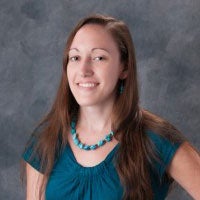
Clinical Associate Professor
The Program of All-Inclusive Care for the Elderly of Rhode Island (PACE-RI) and Steere House Nursing & Rehabilitation Center. Her research focuses on optimizing medication use in elderly populations.
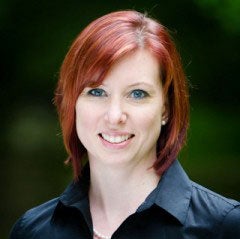
Clinical Professor
Kent Hospital, where she delivers consultation and educational programs on pain management and palliative care.
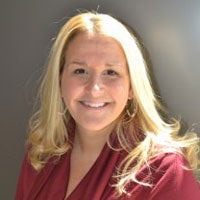
Professor
Tracey Taveira, PharmD, BCOE from the Veterans Affairs Medical Center, where she practices pharmacist-led multidisciplinary interventions in the areas of diabetes, cardiovascular risk reduction and heart failure.