|
URIWW
Home
Online
Data Entry
Program
Contacts
Program
Information
Monitoring
Overview
What's
Monitored
Becoming
a Citizen Scientist
Volunteer
Training
Monitoring Schedules
Current Monitoring Sites - Including Station #
- Lakes, Ponds & Reservoirs
- Rivers & streams
- Bays, salt ponds & harbors
Link
to Bathymetric Maps of Some RI Ponds
Participating
Communities
Program Partners
Monitoring
Manuals
Monitoring
Data and Results
Water
Quality Factsheets
Research
Connections
Aquatic Invasive Species
Cyanobacteria (Algal Blooms)
Success Stories
Additional Resources
- Science
Fair - Water Projects
- Volunteer Monitoring
- Educational -
Water Facts
- Agencies (Including URI)
- Organizations

New
England Lakes Conference, June 7 & 8, 2013 Standish,
ME
Registration
now open!!!
click
here for info
|
|
Welcome
to URI Watershed Watch
The
URI Watershed Watch (URIWW) is a volunteer water quality monitoring
program that works with local communities to assess water quality,
identify
sources
of
pollution
in water
and provide information about water leading to more effective
management of critical water resources. Led by trained scientists,
URI Watershed Watch helps local
governments, watershed, tribal and other organizations recruit
and train volunteers to become citizen scientists gathering detailed,
quality assured monitoring data. Our comprehensive watershed-based
program focuses on long-term environmental monitoring of RI's
fresh and salt water resources including lakes, ponds, streams
and
coastal waters. We provide training, equipment, supplies and
analytical services tailored to organizational needs, while meeting
strict quality assurance and quality control guidelines in the
field and in our state-certified water testing laboratory. Click
here to learn more!
How's
the Narragansett Bay and its watershed??
Watershed
Counts will
present its annual report on the state of the Narragansett
Bay and its watershed to the RI legislature and the public
on Tuesday, April 23rd.
Learn more from by
clicking here!
Returning
volunteers and new volunteers wishing to ready
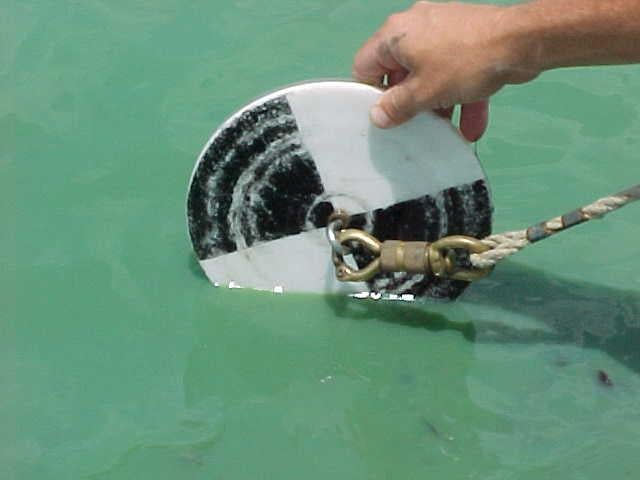
to practice their Secchi depth readings, please
try out the Maine Secchi Disk Simulator at http://www.mainelakedata.org/recertify/. This
great tool allows you to lower a disk on your computer
- and even tells you when you've got it
right! Great for learning or just "brushing up".
Recent
Monitoring Data - Bacteria
Results (Last
updated 4/30/13)
2013
Blue Water Task Force Data (Enterococci)
2012
Bristol Harbor (Fecal coliform and enterococci)
2012
Salt Ponds (Fecal coliform and enterococci)
2012
Coastal Waters (CUSH, STB and Napatree Fecal coliform
and enterococci)
2012 Roger Williams Park Ponds (Enterococci)
2012
Lakes, ponds & reservoirs (Enterococci)
2012
Rivers & streams (Enterococci)
2012
Tidal River and Shellfish Tributaries
(includes Narrow
River and Sapowet Marsh sites)
2012
Tributaries - (Enterococci)
2012 Block Island (Fecal
coliform and enterococci)
2012
- 2013 Nanaquaket Pond and Tributary (Enterococci and limited
fecal coliform)
Next scheduled
2013 water collections
Thursday,
May 30th:
Bristol
Harbor Sites Wednesday,
June 26th and Thursday,
June 27th:
Salt Pond Coalition Sites
Saturday,
June 29th,
2013:
Surfrider Foundation
Blue Water Task Force sites:
Samples collected from
7:00 am - 8:30 am,
and delivered to Warm Winds
by 9:30 am
Thursday
- Saturday, June
27th - 29th:
All other marine
and river sites. Optional
collection for lakes - please call if you plan to bring in
samples.
(Please
see your location's
schedule for details
including exact
sampling
time.)
Please
click
here to
access
full 2013 season schedules.
|
|
Call
401-874-2905 if you need to make arrangements for an earlier
drop-off date or with questions regarding parking, etc. (Full schedules
can be found and printed from here.)
Getting Involved -
No prior experience is
needed to become a URI Watershed Watch citizen scientist
- just an interest in making a difference by monitoring
water! Our citizen scientists get to go out on their favorite
lake, pond, stream or bay to gather information
on
water about once a week at mid-day from May
through October. Monitoring teams are encouraged, and actively
recruited
to help share the work. Click
here for more information about getting involved with environmental
monitoring.
|