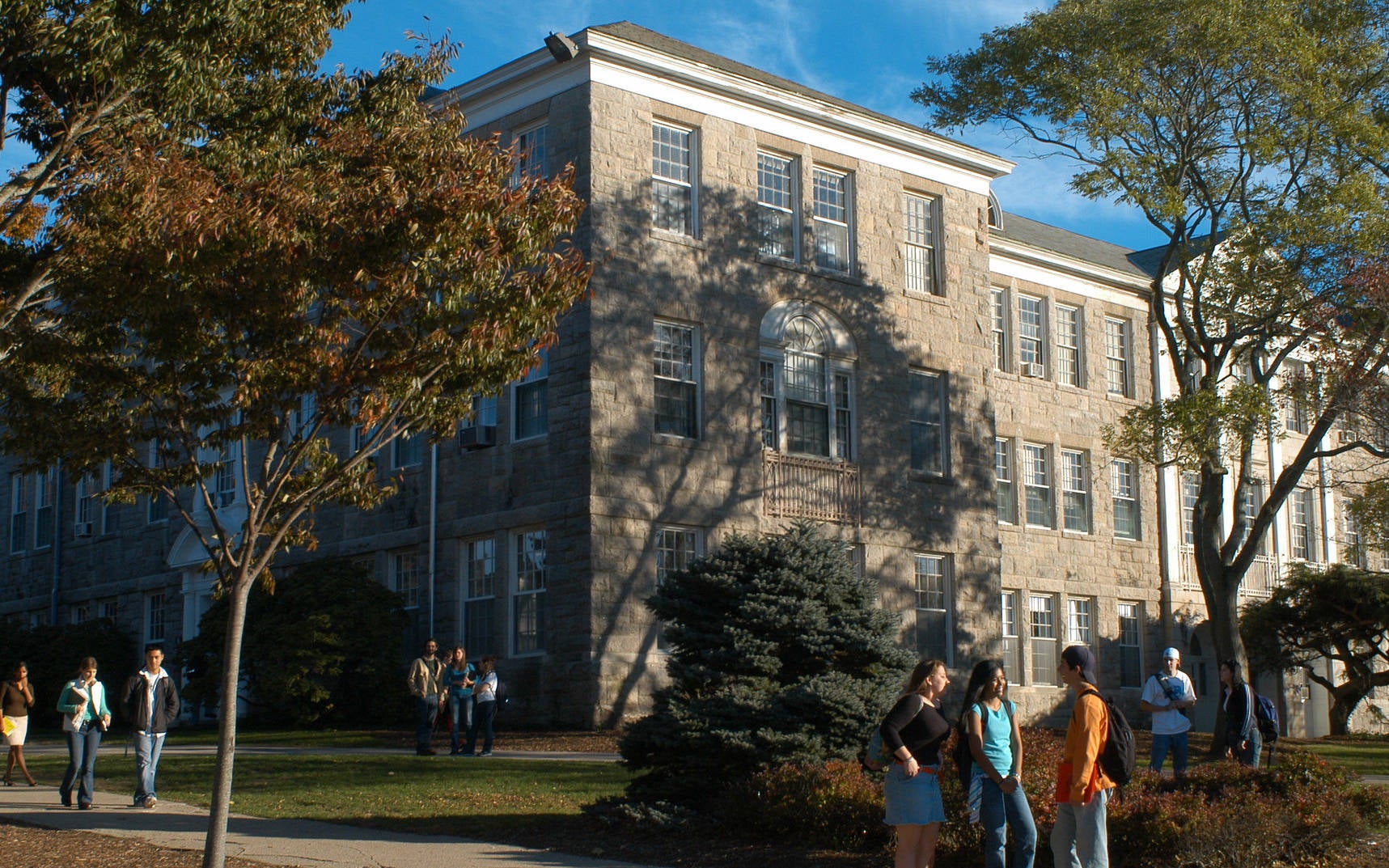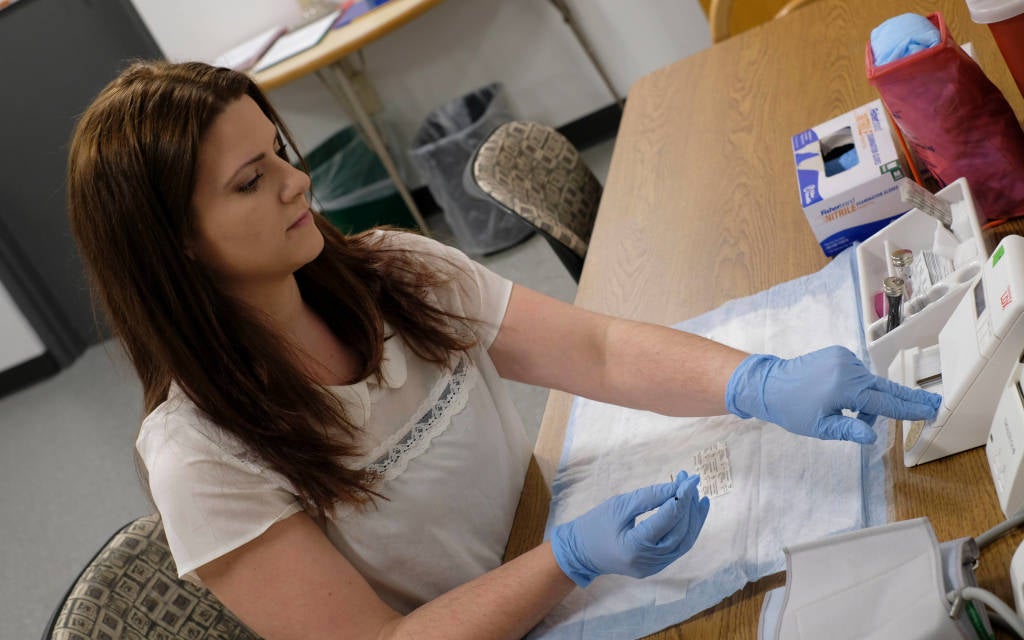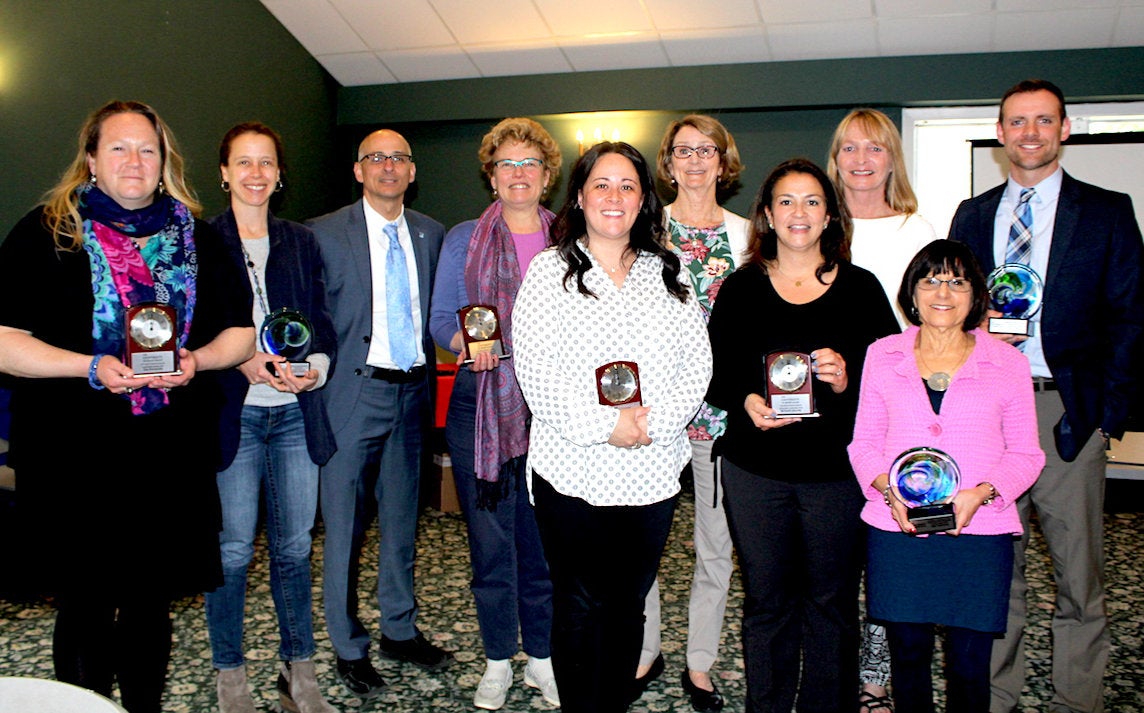
Scenes from the Department of Communicative Disorders

Undergraduate Programs


Bachelor of Science (B.S.) in Communicative Disorders

The following curriculum leads to a Bachelor of Science (B.S.) degree in Communicative Disorders:

***Note that students seeking admission to this program must earn a grade of C or better in CMD 160, 272, and 273 and maintain a minimum cumulative GPA of at least 2.50. Typically, admission to CMD will occur following the first semester of the sophomore year.

***Students who have not yet met the requirements for program admission are advised through University College. Students who have met these requirements and have gained admission to CMD, are all advised by Dr. Jay Singer (4-4742).

Additional Information for CMD Undergraduates:

***Note that students who intend to enter graduate school and eventually apply for certification from the American Speech-Language-Hearing Association (ASHA) should also pay attention to the ASHA requirements for one course in biological science, one course in physical science, one social science course and one statistics course. These requirements overlap nicely with the URI General Education requirements. For example, the Natural Sciences GER can include one course in biological sciences (e.g., human anatomy & physiology, neuroanatomy & physiology, or veterinary science) and one course in physical sciences (e.g., physics or chemistry). The Social Sciences GER can be fulfilled with courses in psychology, anthropology, sociology or public health. The statistics course can be used to fulfill the General Education requirement for a mathematics course.

Many students complete these requirements during their undergraduate degree.

  • A total of 120 credits are required for graduation.
  • With careful early planning, students can use free electives to achieve a double major or to explore special interest areas in depth.
  • Students should anticipate the necessity for graduate study in speech language pathology or audiology. The typical minimum entry requirement for graduate study is a quality point average of 3.00.

By the time a student graduates from the Department of Communicative Disorders with the B.S. degree, he or she will be able to:

  1. Demonstrate basic understanding of human communication processes across the lifespan.
  2. Critically examine information from various sources.
  3. Identify the nature of a communication problem.
  4. Demonstrate appropriate oral and written communication skills.
  5. Demonstrate knowledge of the ASHA Code of Ethics.
  6. Demonstrate knowledge of the scope of practice for SLPs.

NEWS & ANNOUNCEMENTS

Congratulations to our May 2013 B.S. and M.S. graduates!  Your hard work has paid off!

NSSLHA NEWS:

Here are our URISSLHA officers (Left to Right below): Mary Loveley, secretary; Kristen Troy, historian; Jaclyn Schiemer, president; Lexi Caruso, treasurer; and Kristy Wallace, vice-president.  We thank our outgoing board members: Shannon Witter, Meredith Fitzgibbon, Heidee Pottker and Jess Lally for all of their hard work. Shannon and Meredith are graduating in May, Heidee will be a second-year graduate student, and Jess is heading off to graduate school! Look for information about our first fall 2014 meeting here on the CMD web site.

Message from URISSLHA President

***SCHOLARSHIPS AVAILABLE THROUGH THE ASHA FOUNDATION***

See the following web site for information: www.ashfoundation.org/grants/GraduateScholarships/

Check out our updated table of graduate student student outcomes: PRAXIS examination, graduation, and employment rates by linking to:

Why CMD at URI? - Communicative Disorders - University of Rhode Island


PROGRAM HIGHLIGHTS