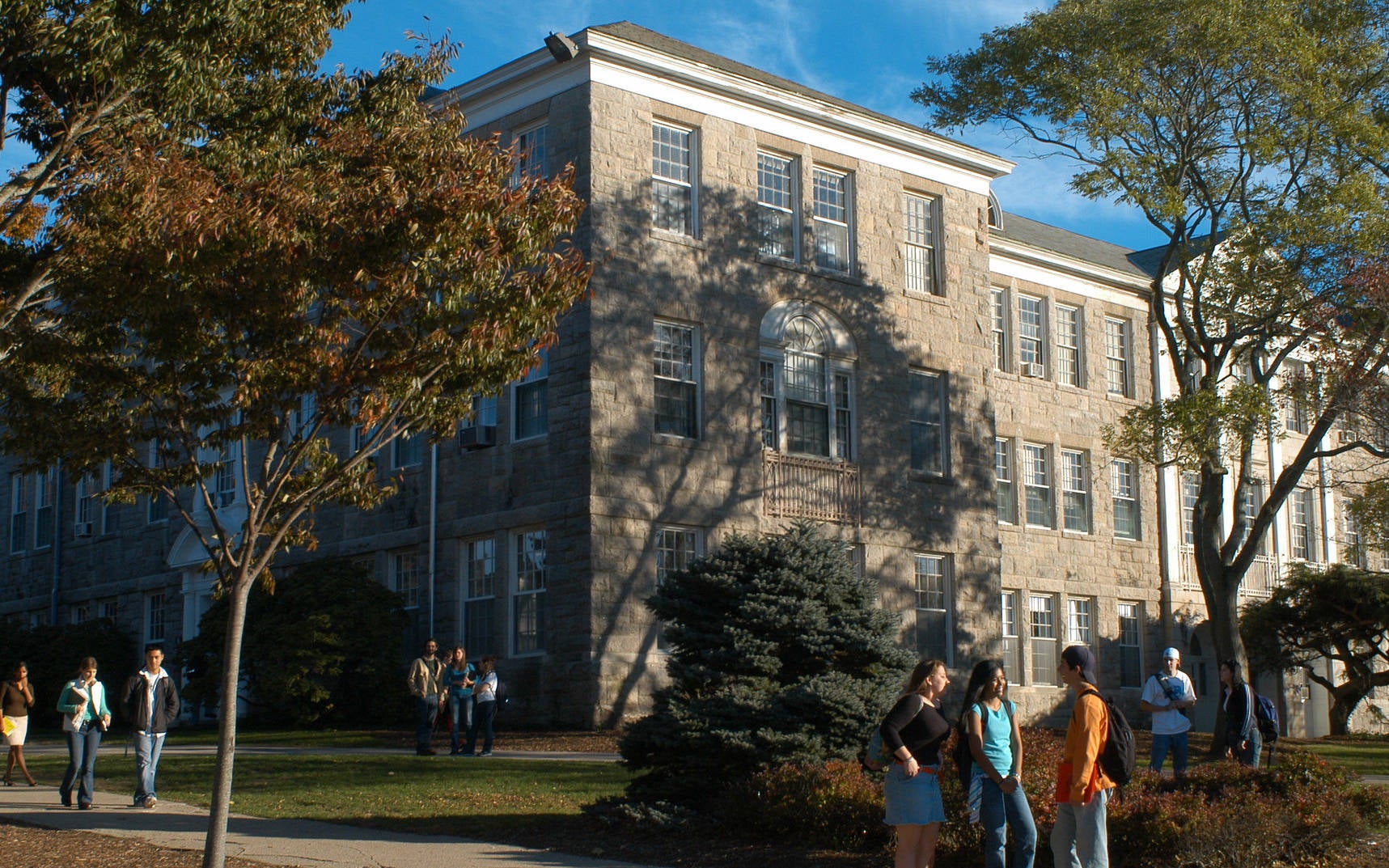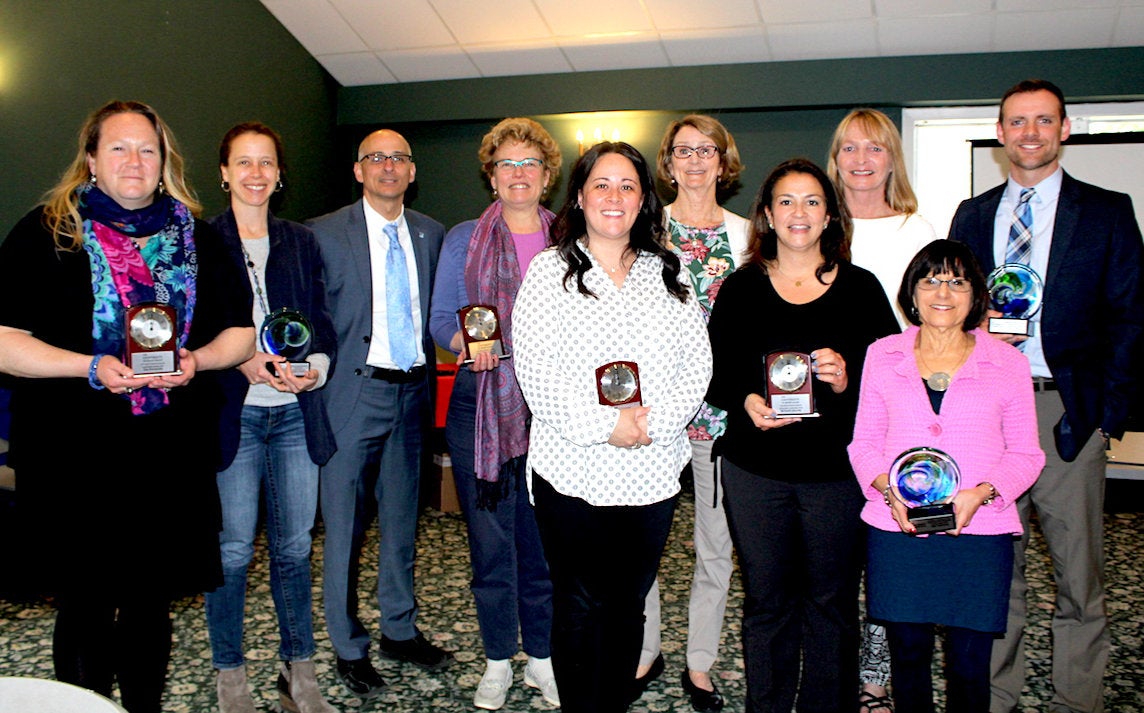
Scenes from the Department of Human Development and Family Studies

Phillip G. Clark

Highest Degree:
ScD from Harvard University in 1979

Other Credentials:
Post-Doctoral Fellow in Ethics and Public Policy, Wesleyan University, 1980-81 Visiting Professor, Universities of Toronto and Guelph, Ontario, Canada, 1988-89 Fulbright Scholar and Visiting Professor, Buskerud University College, Norway, 2007

Teaching Interests:
Gerontology, interdisciplinary teamwork in health care, health care policy, family and community health

Research Interests:
Health promotion with older adults, interprofessional education, ethical issues in geriatric care, comparative geriatric health care policy, aging and disability, and narrative gerontology

Other Scholarly and/or Creative Work:
Grant-funded research, education, and outreach projects supported by the National Institutes of Health, Bureau of Health Professions, Administration on Aging, Social Sciences and Humanities Research Council of Canada, Robert Wood Johnson Foundation, and Rhode Island Foundation

Outreach/Extension/Service:
Partnerships with Rhode Island Departments of Health, Elderly Affairs, and Mental Health, Retardation, and Hospitals in the development of health promotion programs, family support projects, intervention evaluation, and program and policy design

Professional Roles:
Director, URI Program in Gerontology
Director, Rhode Island Geriatric Education Center
Member of Editorial Board, Educational Gerontology
Member, Geriatric Education Committee, Association for Gerontology in Higher Education
Member, Executive Committee, National Association of Geriatric Education Centers

Selected Publications (1995 to present): Clark, P. G. (in press). The narrative frame in discourse on aging: Understanding facts and values behind public policy. In G. Kenyon, E. Bohlmeijer, & W. Randall (Eds.), Storying later life: Issues, investigations, and interventions in narrative gerontology. New York: Oxford University Press.

Clark, P. G. (2009). Reflecting on reflection in interprofessional education: Implications for theory and practice. Journal of Interprofessional Care, 23, 213-223.

Clark, P. G., Cott, C., & Drinka, T. J. K. (2007). Theory and practice in interprofessional ethics: A framework for understanding ethical issues in health care teams. Journal of Interprofessional Care, 21, 591-603.

Clark, P. G. (2007). Understanding aging and disability perspectives on home care: Uncovering facts and values in public policy narratives and discourse. Canadian Journal on Aging, 26(Suppl.), 47-62.

Clark, P. G. (2006). What would a theory of interprofessional education look like? Some suggestions for developing a theoretical framework for teamwork training. Journal of Interprofessional Care, 20, 577-589.

Clark, P. G., Rossi, J. S., Greaney, M. L., Greene, G., Riebe, D., Saunders, S., Lees, F., & Nigg, C. R. (2005). Intervening on exercise and nutrition in older adults: The Rhode Island SENIOR Project. Journal of Aging and Health, 17, 753-778.

Clark, P. G. (2004). Institutionalizing interdisciplinary programs in higher education: The implications of one story and two laws. Journal of Interprofessional Care, 18, 251-261.

Clark, P. G. (2002). Evaluating an interdisciplinary team training institute in geriatrics: Implications for teaching theory and practice. Educational Gerontology, 28, 511-528.

Clark, P. G. (2002). Values and voices in teaching gerontology and geriatrics: Case studies as stories. The Gerontologist, 42, 297-303.

Clark, P. G., & Drinka, T. J. K. (2002). Exploring responsibility, accountability, and authority in geriatric team performance. In M. D. Mezey, C. K. Cassel, M. M. Bottrell, K. Hyer, J. L. Howe, & T. T. Fulmer (Eds.), Ethical patient care: A casebook for geriatric health care teams (pp. 208-229). Baltimore: Johns Hopkins University Press.

Clark, P. G., Leinhaas, M., & Filinson, R. (2002). Developing and evaluating an interdisciplinary clinical geriatric team training program: Lessons taught and lessons learned. Educational Gerontology, 28, 491-510.

Clark, P. G., Nigg, C. R., Greene, G., Riebe, D., & Saunders, S. D. (2002). The study of exercise and nutrition in older Rhode Islanders (SENIOR): Translating theory into research. Health Education Research, 17, 101-112.

Clark, P. G. (2001). Narrative gerontology in clinical practice: Current applications and future prospects. In G. M. Kenyon, P. G. Clark, & B. de Vries (Eds.), Narrative gerontology: Theory research, and practice (pp. 193-214). New York: Springer.

Clark, P. G., & Susa, C. B. (2000). Promoting personal, familial, and organizational change through futures planning. In M. Janicki & E. Ansello (Eds.), Community supports for seniors with lifelong disabilities (pp. 121-136). Baltimore, MD: Brookes Publishing.

Drinka, T. J. K., & Clark, P. G. (2000). Health care teamwork: Interdisciplinary practice and teaching. Westport, CT: Auburn House/Greenwood.

Links:
URI Program in Gerontology
RI Geriatric Education Center