

KINGSTON, R.I. – Feb. 16, 2023 – Recalled sausage and chicken, hummus and spinach – it sometimes feels like you’ve just filled your fridge only to learn that certain purchases are dangerously off-limits.
Consumers need to be able to trust the food they purchase and consume. According to the Centers for Disease Control and Prevention, about 48 million people in the U.S. get sick, 128,000 are hospitalized, and 3,000 die each year from foodborne diseases, based on recent data. This significant public health burden is largely preventable.
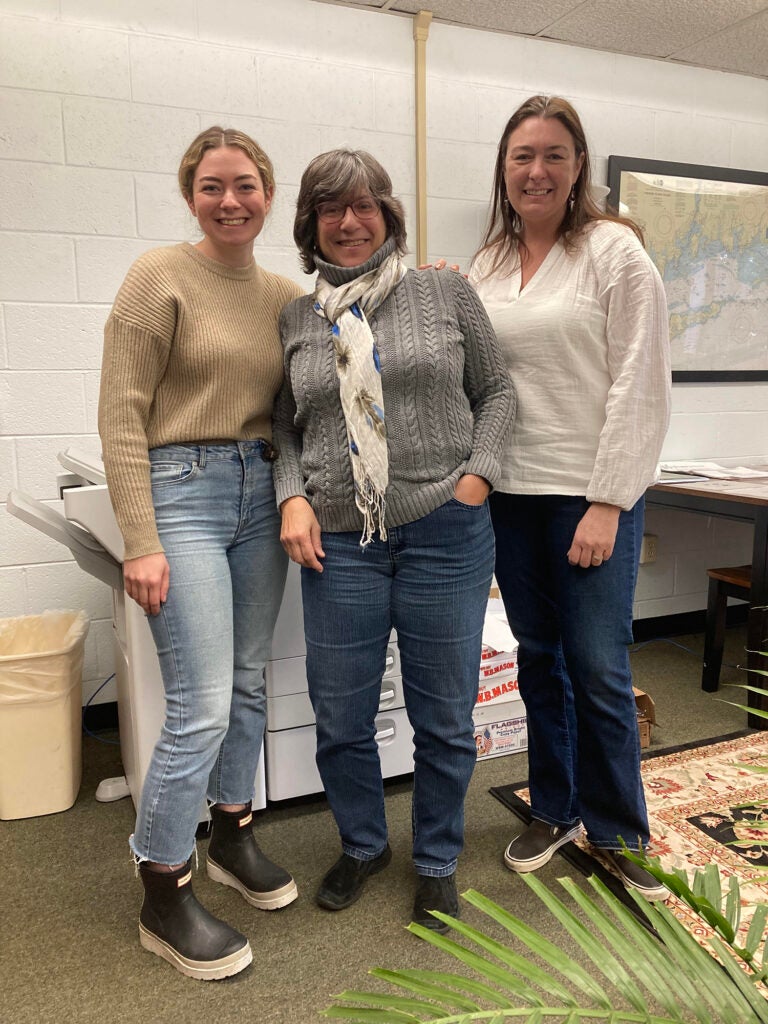
Nicole Richard (of Wakefield), a researcher in food sciences at the University of Rhode Island, recently received a $205,000 federal grant to help food processors avoid such problems for their businesses. The project is funded by the USDA National Institute of Food and Agriculture through 2024.
Under the grant, Richard is developing new food safety education and outreach materials to help bring Rhode Island into compliance with current federal food safety standards, which were adopted a decade ago. After an initial rollout to large food processors, it’s now time for small food processors to fully meet the new standards.
Behind each preventive control measure is an employee either implementing the measure or verifying that it was implemented correctly. Employee training is essential for knowing how to properly implement and monitor food safety practices and ultimately the safety of manufactured food. Appropriate food safety training will help employees understand their roles and ensure the production of safe food.
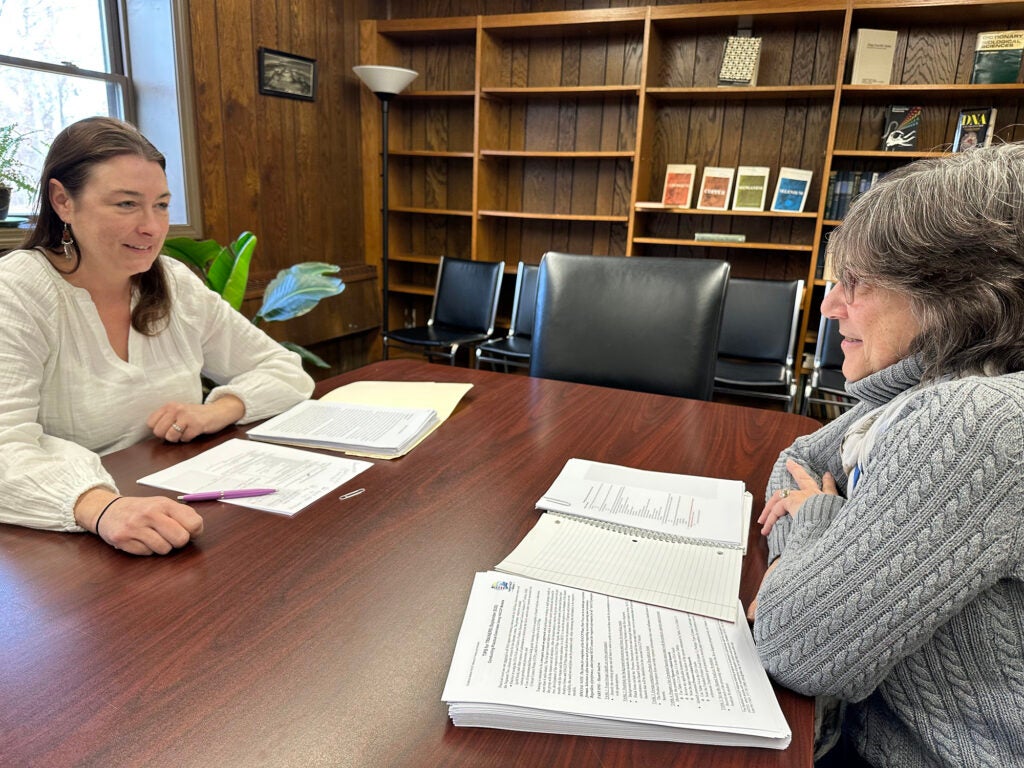
Richard’s project will help determine what resources are needed locally to help Rhode Island food processors comply with the Food Safety Modernization Act, enacted in 2011, which made training a specific focus. She’ll conduct a needs assessment, working with Polaris Manufacturing Extension Partnership, then offer food safety programming statewide. Long-term, the goal for this project is to build the capacity of Rhode Island food manufacturers to operate safely, while strengthening the state’s food safety system.
Rhode Island, so well-known for its food, has the businesses to support that. There are 251 licensed food manufacturing businesses in Rhode Island.
According to Catherine Feeney at the Rhode Island Department of Health, RIDOH collaborates with educational institutions like URI to ensure that Rhode Island food manufacturers have the training, tools, and best practices in place to meet the existing requirements. “The challenges facing industry with a changing regulatory landscape, staffing, supply chain, and training issues are recognized by RIDOH’s Center for Food Production and we remain committed to assisting industry to manufacture safe food and be a success,” she says. “We support URI in their training and outreach to the food industry and look forward to collaborating to leverage the work being done.”
As a food safety specialist with URI’s Cooperative Extension Food Safety Education Program, Richard has 15 years of experience developing food safety resources and programming, through URI’s Food Safety Research and Education Program. She collaborates with the Rhode Island Department of Health and is the chair of the Rhode Island Food Safety Task Force.
Recently, Richard collaborated on a project that developed a food safety management training program for new food businesses operating at shared-use and incubator kitchens. The program was adopted by other food safety educators across the U.S. and is being developed into an online learning program. Richard also co-teaches a hands-on food preservation class for the public through the Cooperative Extension.
Under the grant, she’ll be joined by longtime URI colleague Dr. Lori Pivarnik, who has 30 years of food safety education and outreach experience.
The partnership with Polaris MEP is supporting their efforts, aiming to connect URI’s research expertise to Rhode Island’s manufacturing sector. This nonprofit organization provides improvement programs for the state’s manufacturing sector and represents more than 200 food and beverage accounts statewide.
The programming will help food processors adhere to the FDA’s current food safety rules, which are shifting the focus from responding to foodborne illness to preventing it.
As the new rules have rolled out, larger companies had to comply first, followed by smaller-scale operations.
Richard says that connecting with the local food industry to survey their needs will be challenging but is an integral part of the grant.
“Smaller operations tend to have fewer employees who often wear more than one hat,” says Richard. “We want to target this audience to make food safety easier for them to understand, know and manage. This is important for their success.”
Richard is looking forward to connecting to as many food production businesses in the state as she can to improve statewide food safety.
“I am most excited to help those that need it most,” she comments, “to build their knowledge and confidence in food safety.”
To learn more about the URI Food Safety Education Program, contact Nicole Richard at URI at 874-2977, nicolerichard@uri.edu.