
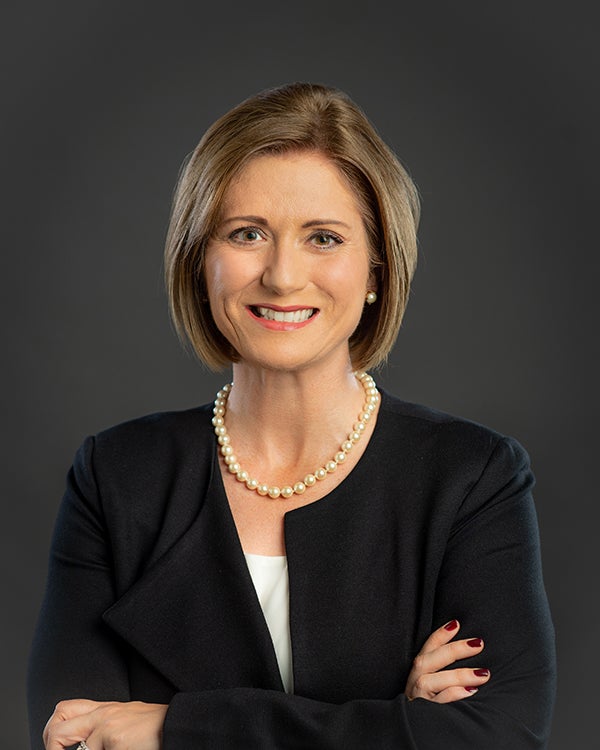
KINGSTON, RI – Sept. 9, 2020 – Cortney M. Nicolato, president and CEO of United Way of Rhode Island has been named to the University of Rhode Island Board of Trustees. The 17-member board, established by the Rhode Island General Assembly and signed into law by Gov. Gina Raimondo in July 2019, governs the University, overseeing employment as well as the University’s property, purchases and procurement.
Nicolato, an executive leader with two decades of marketing and business strategy experience in nonprofit management, health care, and health care information technology, is a 2001 graduate of the University. Prior to joining United Way of Rhode Island, Nicolato served as president and CEO of The Senior Source, the largest nonprofit agency for seniors in North Texas. Her previous experience also includes being Senior Advisor, Director of New Business Initiatives at the National Center of the American Heart Association/American Stroke Association.
The University of Rhode Island will convene the next meeting of its Board of Trustees on Thursday, Sept. 10 and Friday, Sept. 11. Pursuant to Raimondo’s Executive Order 20-75, this meeting will be held virtually in light of the COVID-19 crisis.
The Board of Trustees is the University’s governing body. Its 17 members are appointed by the governor in consultation with the University president, and with the consent of the Rhode Island Senate. A copy of the agenda has been posted.
WHAT: University of Rhode Island Board of Trustees Meeting
WHEN: Thursday, Sept. 10 at 9 a.m.
Friday, Sept. 11 at 9 a.m.
HOW: Members of the public may view the meeting from an electronic device (desktop/tablet/or smartphone) via Facebook. A Facebook account is not required. Visit the URI Board of Trustees on Facebook at: https://www.facebook.com/URIBoardofTrustees/