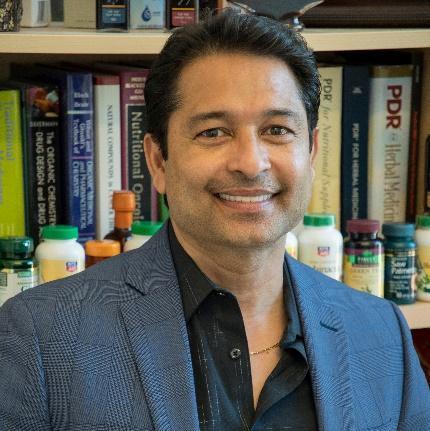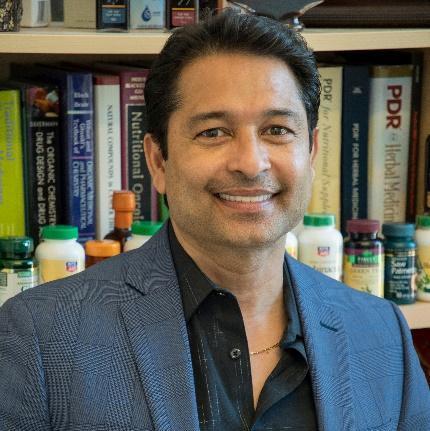
Professor Seeram knows that plants have bioactive compounds, such as the pigmentation that makes blueberries blue and raspberries red, that are natural antioxidants against sun damage and other threats. He and his team of students and researchers are studying these anti-cancer agents in native New England berries for possible applications in the treatment of cancer, Alzheimer’s, and other diseases. He’s also identified dozens of compounds in pure maple syrup and is applying these to his diabetes research. [Continued…] See complete listing of Dr. Seeram’s work, which includes: Research Assistant Professor Office: 395A Lab 440 401.874.2711 (office) 401.874.7654 (lab) Overview
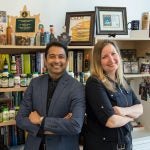
Inside URI’s Bioactive Botanical Research Lab, Pharmacy Professor Navindra Seeram has some big ideas about fighting cancer. Ideas so big that he’s regularly sought after by science and news publications around the globe for his expertise in the healing properties of medicinal plants.
News
 Maple Syrup is a ‘Hero Ingredient’ Maple, Research - Creating “better-for-you foods” that not only taste great but also pack a nutritional punch has been a major focus of research in the University of Rhode Island College of Pharmacy’s Bioactive Botantical Lab for several years. And now, an expanded collaboration with Johnson & Wales University aims to further publicize the nutritional and culinary benefits derived from maple.
 URI faculty secure $470,000 in USDA funding for maple syrup research Maple, Research, URI College of Pharmacy - The United States Department of Agriculture has awarded two University of Rhode Island researchers $470,000 to advance their pioneering work exploring the anti-inflammatory properties of maple syrup phytochemicals. The study, titled “Beneficial effects of maple syrup phytochemicals against inflammation associated with metabolic syndrome,” aims to evaluate the anti-inflammatory effects of a polyphenol-enriched maple syrup extract […]
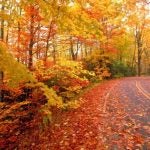 Fall Color In-Depth: Maple Trees Offer New Answers to Diabetes, Alzheimer’s Alzheimer, Diabetes, Maple, Maple Trees - In the 1992 film Medicine Man, biochemist Robert Campbell, played by actor Sean Connery, searches for new drugs in the Amazon’s vast rainforests. There Campbell finds a cure for cancer not in the rainforest’s rare flowers – which don’t have “juju,” or the power to heal – but in an indigenous ant species.
 Private Support Advances Research on Medicinal Properties of Maple Trees Maple Trees, Medicine, Research - While the maple tree is known for delicious syrup, researchers at URI have discovered that maple trees provide much more than a way to make breakfast taste better. In its branches, leaves, and sap, maple species, including Rhode Island’s state tree, the red maple, may be the key to regulating blood glucose levels in humans. Thanks to $110,000 in funding from Verdure Sciences, this important research will continue.
 Product of pomegranate juice, extract promotes pathway to brain health - Pomegranates and other “superfoods” are known to have positive effects on the brain—improving functions such as memory and cognition. Now Associate Professor Navindra Seeram and a team of researchers have discovered it may not be the superfoods—rather the way these foodstuffs interact with the body’s microflora during gut microbial metabolism that could lead to breakthroughs in protecting against Alzheimer’s.
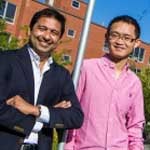 East meets West in Global Approach to Pharmacy Research - East and West have always converged in the Bioactive Botanical Research Lab of Pharmacy Professor Navindra Seeram. But a new gift with roots in Traditional Chinese Medicine has brought these culturally different approaches to treating disease and pain even closer.
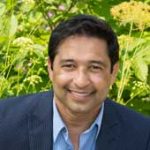 Providence Journal: URI Pharmacy exploring the healing power of plants - Associate Professor Navindra Seeram and Senior Gardener Peter Morgan—along with the College’s acclaimed medicinal garden and greenhouse—were featured in the Sunday, November 14 issue of the Providence Journal, offering readers a garden tour and a primer on the healing properties of plants. QuadAngles, Fall 2014: Sage Advice from Dr. Navindra Seeram - Navindra Seeram, associate professor of biomedical and pharmaceutical sciences, knows that the brighter your food, the better your diet. He show know. Head of the Bioactive Botanical Research Laboratory, he also oversees the Heber Youngken Jr. Medicinal Garden at the College of Pharmacy.
 C&EN cover story highlights Dr. Seeram's work - Maple syrup, agave, and honey are well-known for their roles as sweeteners. As such, their primary constituents are simple sugars such as sucrose and fructose. But scientists exploring the composition of these sweeteners are finding them to be surprisingly complicated.
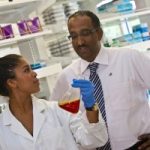 Discover New Cures. - Discover New Cures. The world’s got a lot of illness and disease that needs curing, and at URI, leading scientists are breaking new ground toward the discoveries we’ve all been waiting for. Inside our Natural Products Lab, Pharmacognosy Professor David Rowley – one of the only a handful of marine microbial chemists in the world […]
Publications
Research Team
hang_ma@uri.eduNavindra Seeram, Ph.D.