
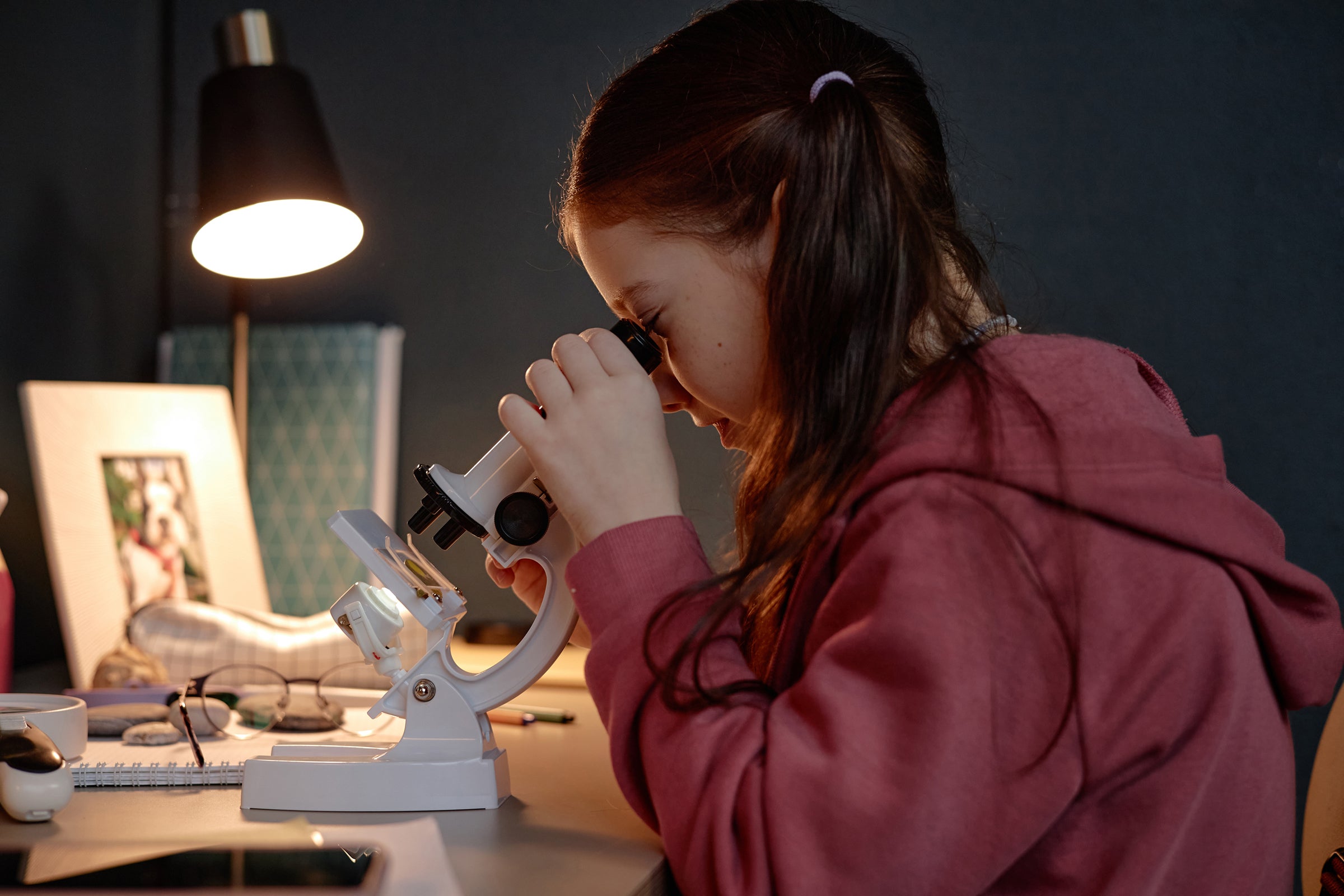
KINGSTON, R.I. – Nov. 23, 2026 – As debate continues on screen time for users of all ages, faculty in the University of Rhode Island’s College of the Environment and Life Sciences offer shopping suggestions for family activities and pastimes that get children—and family members—off devices and out of the house.
This kind of mindful gift planning can help increase science literacy and encourage future scientists while also offering connections and benefits for adults looking to minimize their own screen time in the year ahead, they say.
“Fostering children’s interest in growing food or flowers is a great way to encourage curiosity and wonder, without looking at a device,” said Lisa Townson, the college’s associate dean of extension and agricultural programs. “Watching for seeds to sprout can be very exciting! Even in the winter, mini greenhouses can be set up inside, or milk cartons can be turned into terrariums to grow plants on a windowsill.”
Michael Rice, professor of aquaculture/fisheries, says a digital microscope or mineral science kit is a great idea for a holiday gift, or perhaps a telescope, science lab or plant press. A subscription to National Geographic might be another good family gift.
Laura Meyerson, professor of natural resources science, suggests a pair of binoculars and bird field guide or journal to record birds spotted in the backyard or anywhere. The recipient could even start a bird life list on Merlin or eBird and build their list over time.
Other gift ideas that encourage interest in science include bird feeders, bug boxes, rock collection display cases, and nets for catching frogs or insects.
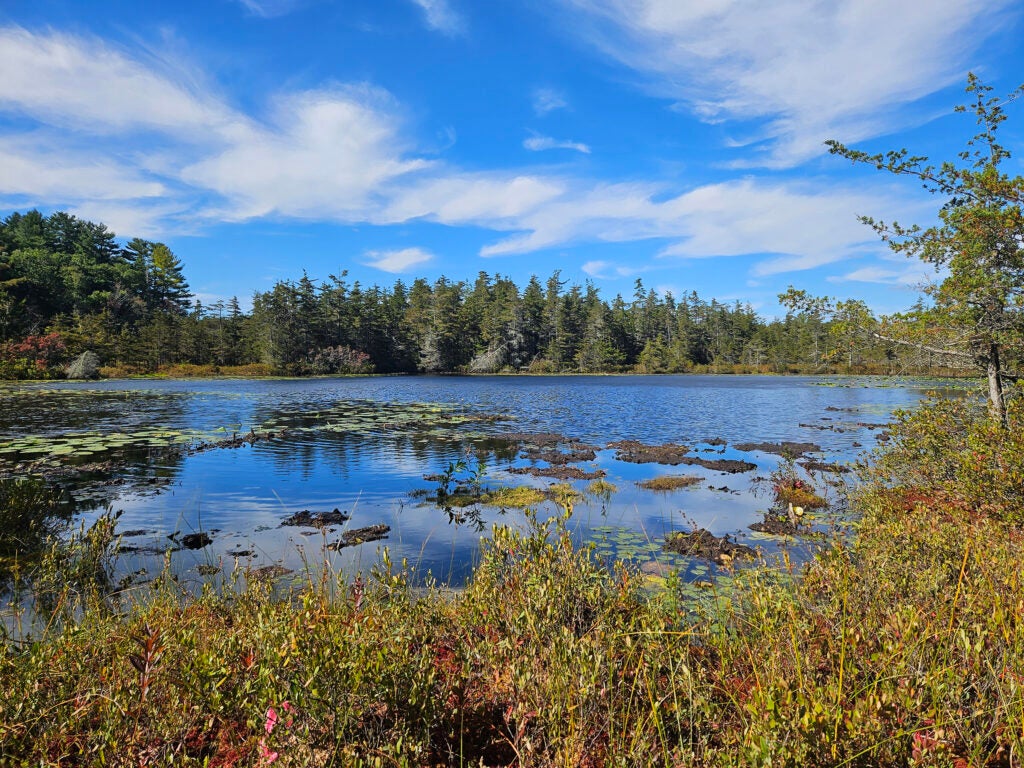
Faculty members also suggest ways for Rhode Island families to be more active or plan adventures in the year ahead that don’t require shopping.
Families can join local citizen-science projects such as Watershed Watch at URI or the American Chestnut Foundation, while outdoor experiences or annual passes for sites like Save the Bay Aquarium, Biomes Marine Biology Center, Museum of Science Boston, New Bedford Whaling Museum, Norman Bird Sanctuary, or Mystic Aquarium also make a great idea for family gifts. (You might even run into a URI alum working there.)
“Families can also help contribute to crowdsourced data that scientists rely on,” said Meyerson. She suggests Globe Observer, which helps NASA by recording clouds, trees, or mosquito habitats to support NASA Earth observation missions; Zooniverse, which helps scientists classify galaxies, identify wildlife, and transcribe field notes; and CoCoRaHS, which measures local rainfall or snow for the Community Collaborative Rain, Hail and Snow Network.
Home adventures
You can also explore nature from your own home. Sarah Kienle, an assistant professor of wildlife biology and mother of two, recommends getting the books “Amara and the Bats” or “Marjory Saves the Everglades” from your local library or playing a game of Hay Stax or Concept Kids: Animals. Her colleagues Michelle Peach and Graham Forrester, in the Department of Natural Resources Science, also recommend Wingspan as a good choice for bird enthusiasts of all ages, or Finspan if you love fish.
Christopher Riely, URI forestry specialist, has—not surprisingly—an affinity for one of the best fruits of trees: books. Riely suggests “My Side of the Mountain,” the classic adventure tale by Jean George, about the call of the outdoors. He also likes the vintage Golden Guides, the introductory field guide series that has inspired millions to get out and explore for more than half a century.
“They are still great for kids,” he said. “The cover art in out-of-print classic editions is still my favorite and can be found on Etsy, Biblio, eBay, etc.”
That said, if you do scroll, make sure to include URI’s College of the Environment and Life Sciences in your feed. Follow @uri_cels on social media for videos, tips and information on public-interest projects like wild turkeys, rebounding bobcats and more, all year long.