KINGSTON, R.I. – Nov. 9, 2026 – This fall, Rhode Island’s Executive Climate Change Coordinating Council (EC4) allocated $1.5 million across state partners to support Rhode Island’s implementation of the Act on Climate law, signed into law by Gov. Dan McKee in 2021.
Now, three programs at the University of Rhode Island—led by Jennifer McCann, Rhode Island Sea Grant; Kate Hardesty, Cooperative Extension; and Sara Sweetman, in the Feinstein College of Education—will receive $476,312 in total funding in this year’s annual statewide EC4 allocation.
The EC4 panel assesses Rhode Island efforts to cut greenhouse gas (GHG) emissions, guiding state agencies to aid in cutting GHGs and help strengthen the climate resiliency of local communities. The spending plan reflects innovations and commitments from a growing number of state agency partners to advance meaningful climate action and invest in projects that move Rhode Island toward a cleaner, sustainable and resilient future.
This is the first time Cooperative Extension and Rhode Island Sea Grant have been funded in the competitive process; the College of Education received funding last year and had 17 URI students work with community educators across the state to highlight, improve, and create climate literacy learning experiences for the Rhode Island public. URI also received funding to compile beach profile data in 2025, bringing the total received in EC4 funding to $819,312 to date.
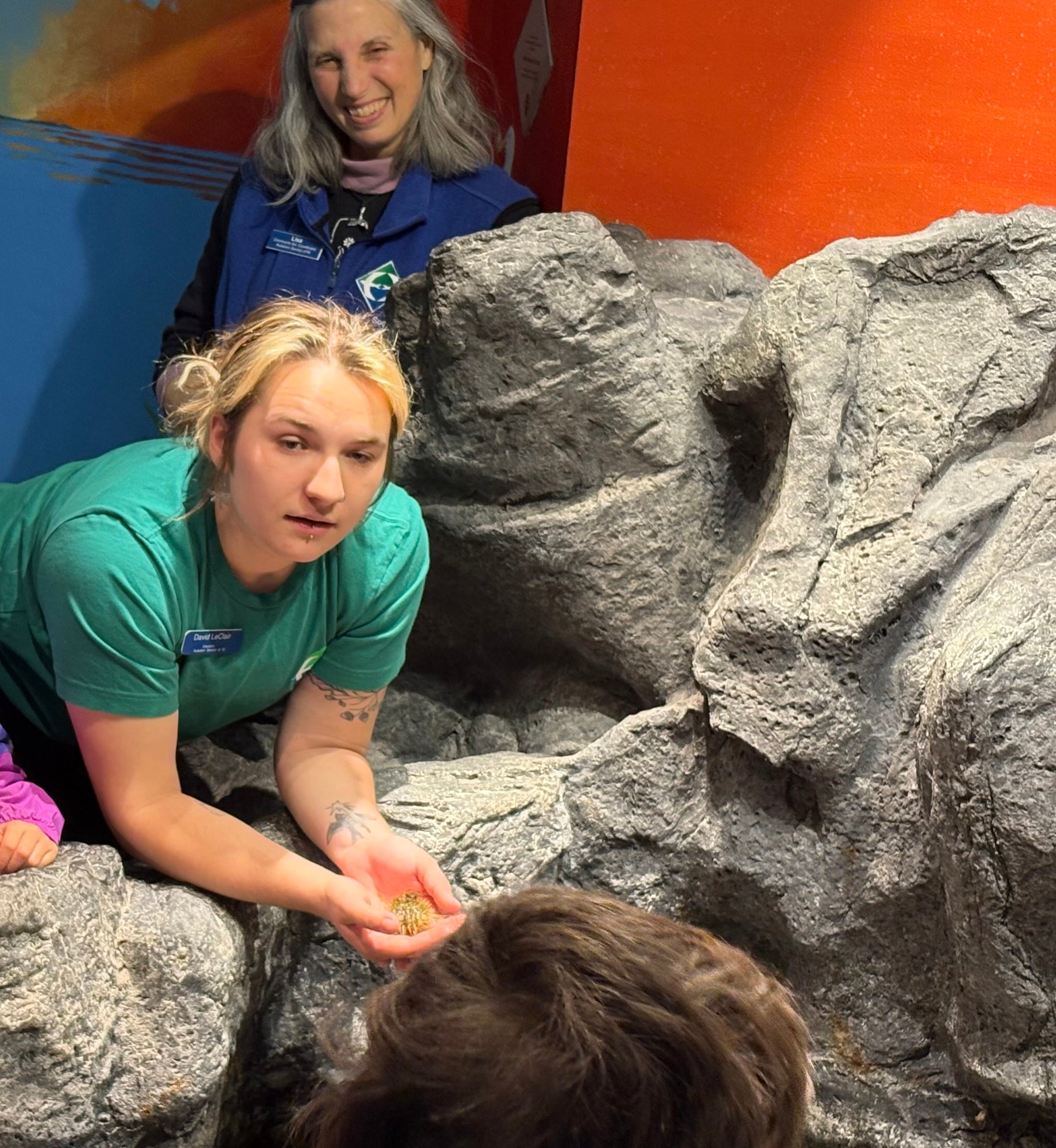
“URI students provided and led programming at sites like Audubon in Bristol and the Narrow River Preservation Association,” Sweetman said, “creating exhibits and teaching visitors and students about environmental impact on local farms, animals and oceans. This helps visitors of all ages learn about local issues; the new grant will help URI students continue to build hope and inspire action in our larger Rhode Island community.
The University’s EC4 funded projects will focus on municipal energy resilience, energy efficiency and environmental education:
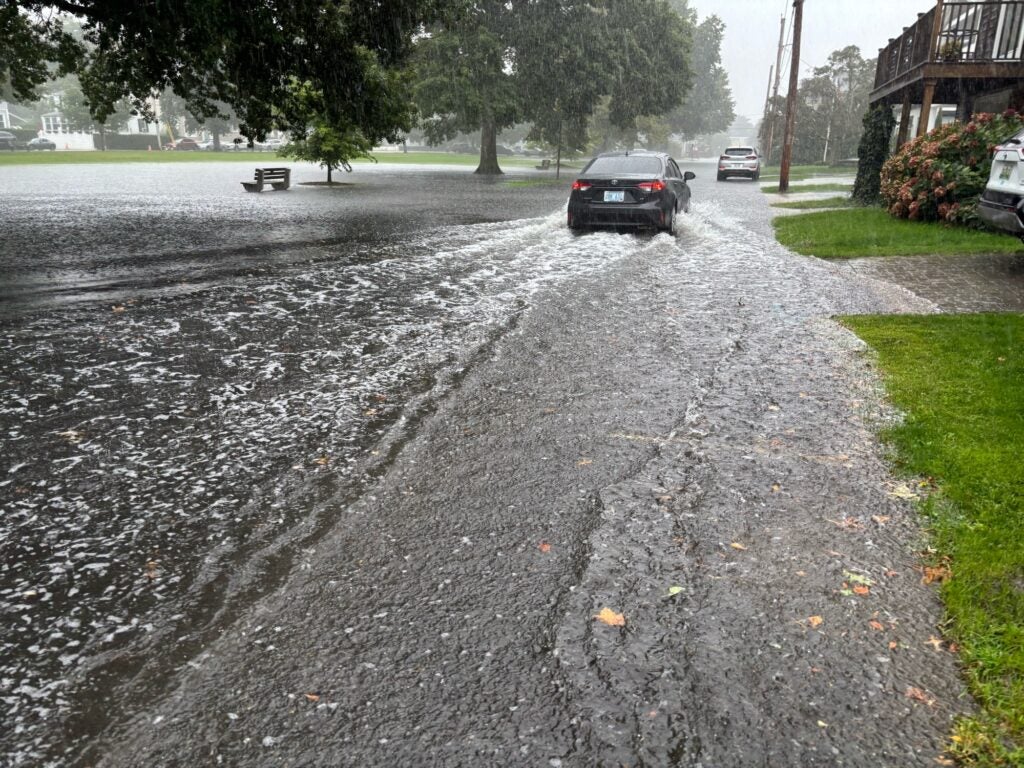
- $165,000 to Rhode Island Sea Grant to accelerate energy resilience in Rhode Island municipalities. Despite significant state investments, many municipalities remain challenged by limited staff capacity and lack the time and ability to develop science-backed projects and community-supported solutions. This initiative will advance energy resilience implementation on Aquidneck Island and strengthen municipal capacity/learning exchange statewide on topics related to energy resilience. The Sea Grant team will combine its expertise in energy resources and resilience to provide a project that helps coastal communities understand and address adaptation for energy assets, especially infrastructure, in flood-prone areas.
- $136,312 to URI Cooperative Extension to support its Energy Literacy Initiative to expand its Community-based Energy Navigator Program, training and empowering community-based workers to share information about energy efficiency programs and support residents through the weatherization process during home visits. The 2027 program will expand training to community health workers to honor the importance of building health on the health, comfort, and cost burden on its occupants.
- $175,000 to URI’s Environmental Education program in the College of Education to advance climate education across Rhode Island. The project will focus on strengthening Rhode Island’s climate education infrastructure, expanding pathways into climate education careers. URI’s new B.S. degree in environmental education is designed for active learners who are passionate about the environment, giving students the knowledge and skills to lead new generations toward a more environmentally just and sustainable future, and builds on URI’s role as the top producer of educators in the Ocean State.
Program leaders are pleased to see the University’s climate work recognized and contributing to larger goals in resilience, energy and educating the future workforce for related fields.
“This grant makes it possible for our Sea Grant program to bring the best science and outreach to bear in two chief portfolio areas—energy resources issues and resilience issues,” said McCann, Rhode Island Sea Grant Extension Director. “By making use of our existing resilience-focused community of practice in local coastal municipalities, as well as across our system of islands, we will readily be able to share education concerning how we adapt energy infrastructure and other assets in flood-prone areas.”
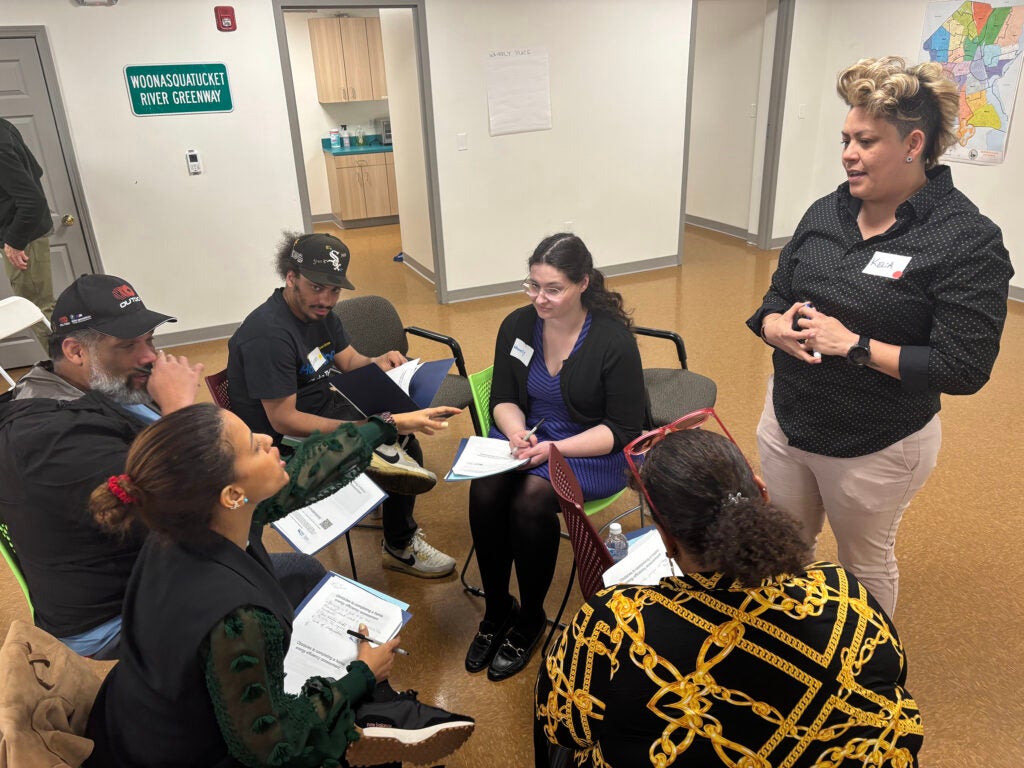
The funding will also enable URI Cooperative Extension to build on its pilot training with community-based workers at Children’s Friend in Central Falls and expand the program to reach additional community-based workers serving vulnerable populations across Rhode Island, said Hardesty, Extension educator and program administrator. “By equipping more community-based workers with the knowledge and tools to promote home energy efficiency, we will extend these benefits to more households, helping residents reduce energy costs, improve home comfort, and enhance living conditions.”
Subscribe to the Rhode Island Sea Grant newsletter for ocean and coastal news and project updates. Get updates from URI’s Cooperative Extension program. Learn more about URI’s College of Education at https://web.uri.edu/education/ and on social media.