
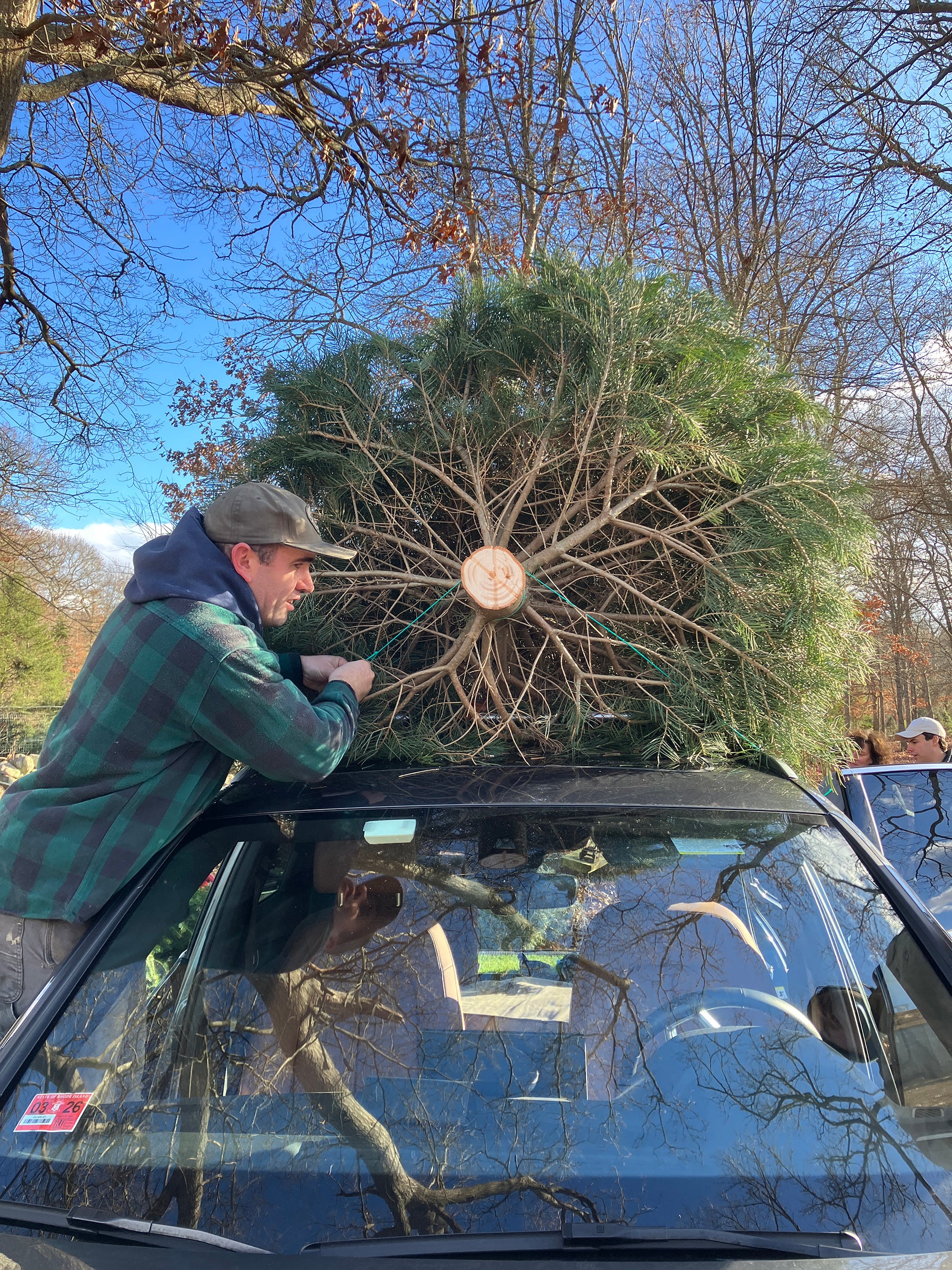
KINGSTON, R.I. – Nov. 25, 2026 – ’Tis the season — to pick out a Christmas tree.
A forestry extension specialist at the University of Rhode Island, Christopher Riely talks trees all year as a certified forester and arborist. As the holidays approach, he also likes to “go local” when purchasing a Christmas tree. Riely advises buying local, both for savings and selection.
“It can be a fun expedition to pick out a locally grown tree,” Riely said.
There are also environmental positives to sprucing up your home with a live tree: live trees are made of 100% renewable materials, no special recycling or composting needed, and absorb carbon from the atmosphere during their lifetime.
Buying a local live tree is not only environmentally friendly, it’s also good for local businesses.
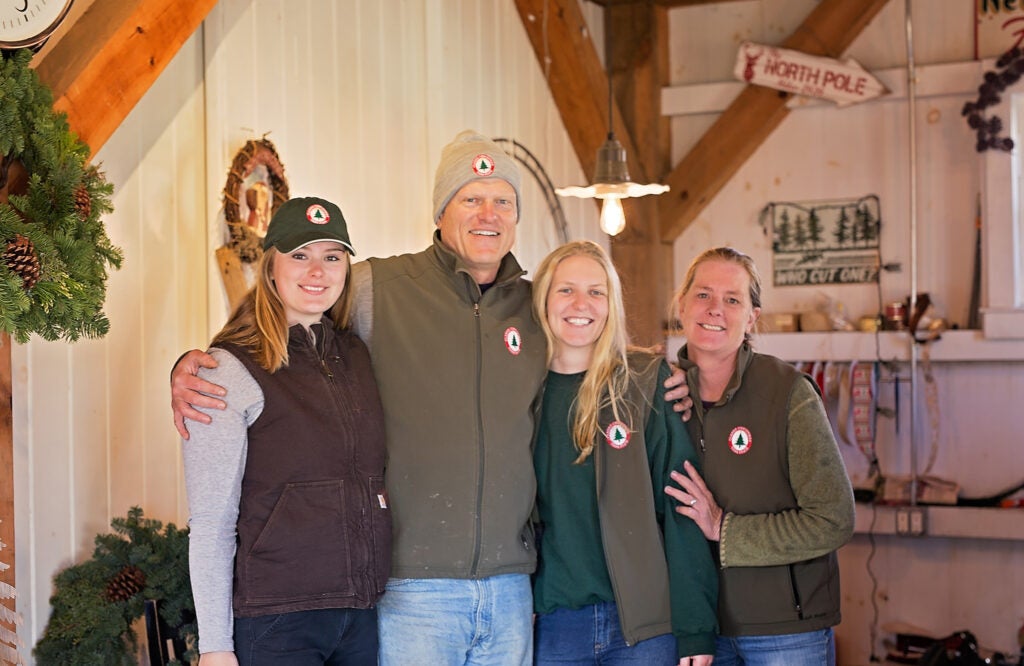
Eric Watne MBA ’96 is putting his URI financial training to work overseeing Clarks Christmas Tree Farm in Tiverton, the oldest Christmas tree farm in Rhode Island. As president of the Rhode Island Christmas Tree Growers Association, he notes the pressure on tree farmers, reporting that the association’s membership has dropped from more than 50 farms at one time to less than a dozen, due to increasing development pressures or lack of interest in succession ownership. He says his family feels a social responsibility to maintain the farm and appreciates the role the farm has played in the lives of many Rhode Islanders, as generations return with their own children.
You can find URI connections at other local tree farms as well, including Big John Leyden’s Tree Farm in West Greenwich, the largest Christmas tree farm in southern New England, started by John Leyden ’56, or Bedrock Tree Farm in Wakefield, where Nick Zartarian ’14, Sean Cullen ’14 and Andrew McKinney ’16 pitch in to help their former baseball coach each year.
An architectural designer today, Zartarian says that returning to the farm annually to help his former coach is a way to build community over the years, with other former teammates. “One of my favorite parts is seeing familiar faces return each Christmas,” he said, “along with meeting new customers who enjoy the farm and its atmosphere enough to make it part of their own holiday tradition.”
Tree tips
Riely says that some family-run farms allow customers to visit before the season to select and “tag” a tree, then return to have it cut before the holidays. Shoppers can look for the particular species, size and shape of tree they prefer. For those looking for a bargain, there are also opportunities to take home a less-than-perfect “character tree” that can be visually interesting and fun to decorate and display in creative ways.
Some people enjoy decorating live trees outside their homes, too. “I have seen bonsai hung with miniature ornaments for the holidays,” Riely said. “In desert climates, some large cacti are even decorated for the season!”
Riely likes to vary the type of tree he puts up year to year and, last year, brought home a Korean fir, purchased from a mom-and-pop farm outside of Providence.
Whether shopping in the woods or on a lot, Riely suggests shoppers touch a tree’s needles to assess its health before buying. Fresher trees will have needles that are pliable rather than brittle or stiff. If a tree drops a lot of needles when you touch its branches or lift and tap the base on the ground, look for another, fresher tree. The bottom of a fresh tree is typically moist and sticky with sap, while older trees may have a grayish or dried-out base.
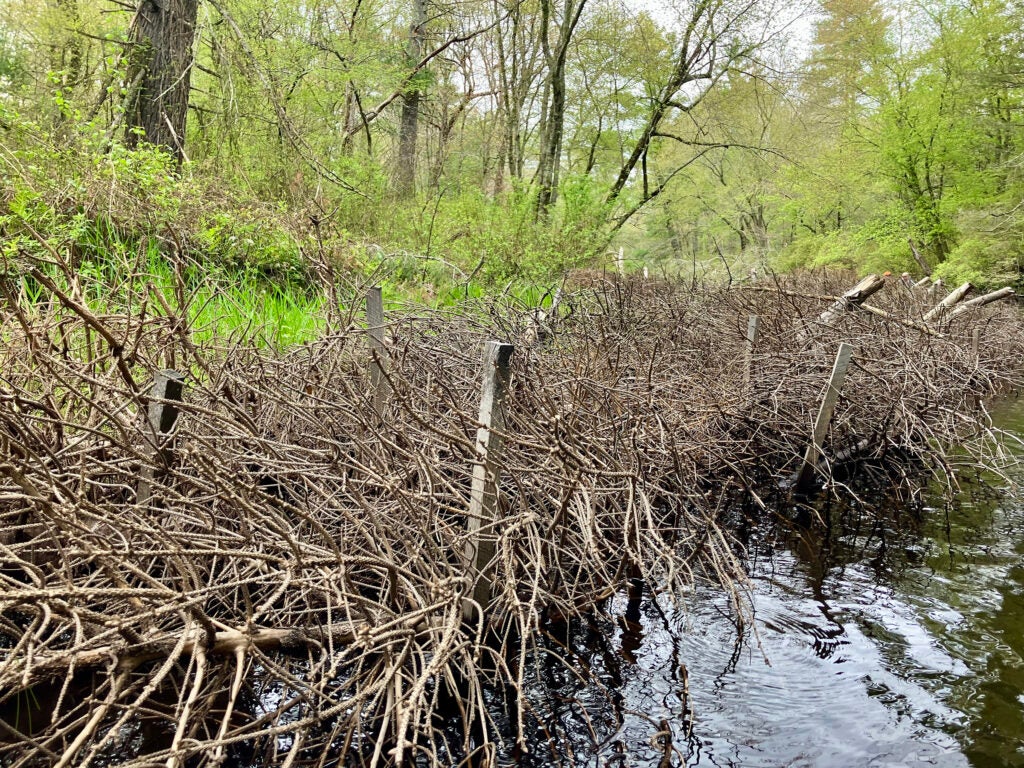
And trees offer benefits after the holidays as well. Depending on the area, trees may even be used in stream restoration projects to improve habitat for fish and aquatic life.
Riely’s colleague in URI Cooperative Extension, Sejal Lanterman, says her family repurposes their tree as backyard habitat for birds (and some lucky squirrels) each year: “It’s a lovely way to extend the spirit of the season and give a little something back to nature.”
To learn more about Rhode Island trees of all varieties, visit Rhode Island Woods, an online resource for information on Rhode Island forests, maintained at URI.